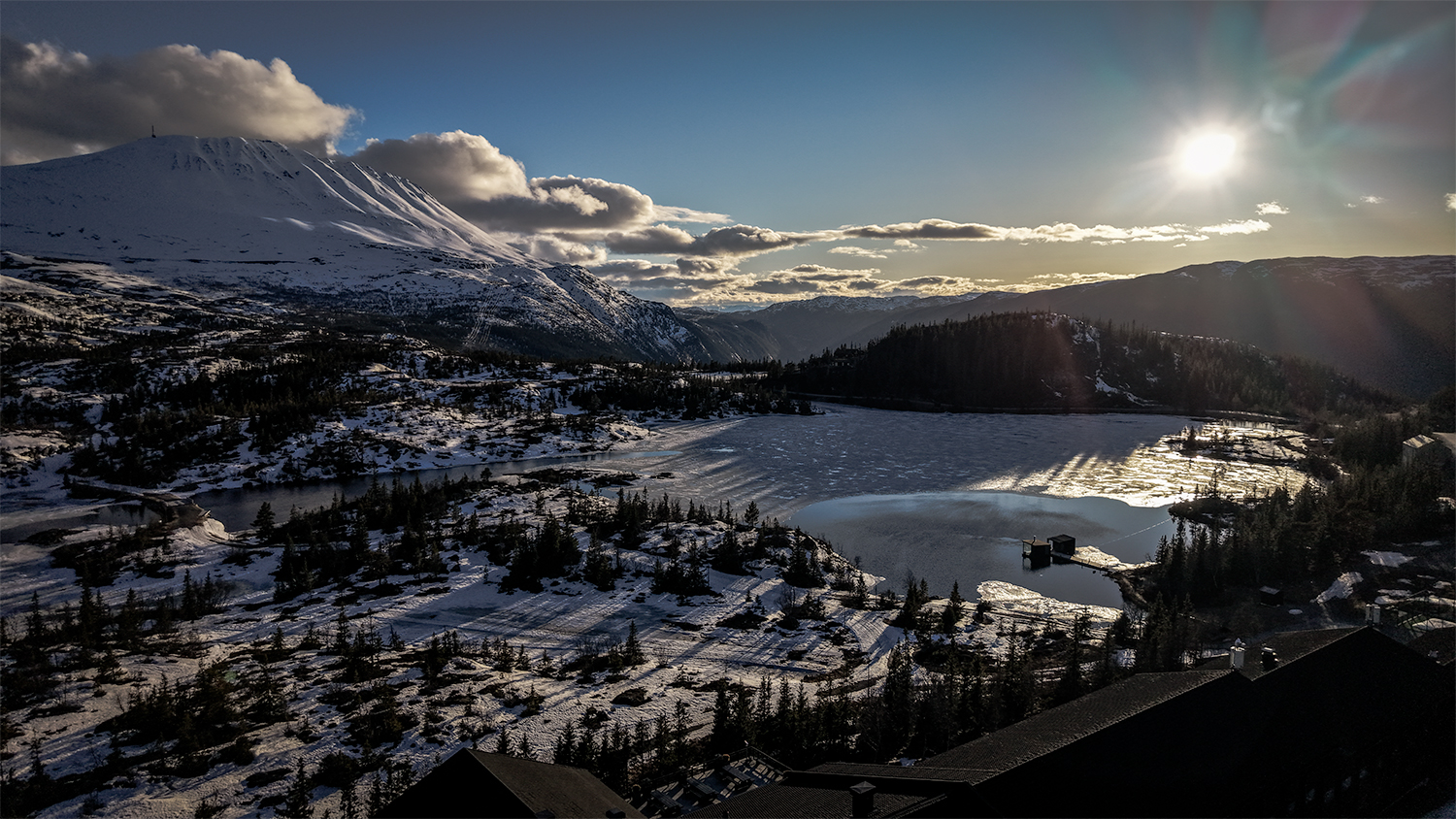
You pack your gear. Throw your backpack in the car. And you fly to Norway. Then you drive into the interior, away from the fjords, away from the tourist routes, into a region most people skip because “there’s not that much to see.” That’s exactly why Telemark works.
I traveled with Michel Hennipman to this part of southern Norway for a handful of days of adventure travel that on paper was a mix of hiking, climbing, mountain biking and a museum visit, but in practice turned into one of the most complete outdoor trips I’ve done in a while. Mountain up, history in, sauna and then onward. No day the same. No day too short.
Gaustablikk: arrival, floating sauna, and the man who accidentally built a hotel
We stay two nights in a Mountain Cabin at Gaustablikk Fjellresort, with Gaustatoppen as a direct neighbor at 1,883 meters. The cabins are functional and warm, and offer the kind of view you’d expect when booking accommodations like this. You don’t need excessive comfort when you have this outside your door.
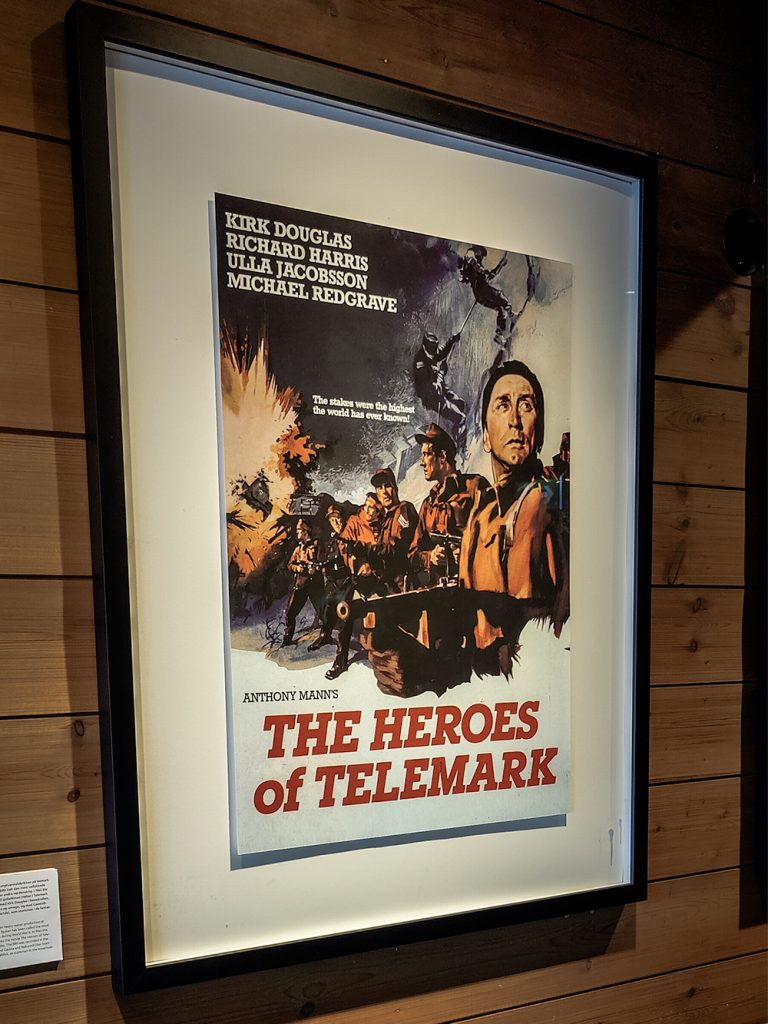
The first evening starts at Kirk’s Bar, and behind that name lies a story that sounds made up but is entirely true. Founder Olav Svartdal returned from a career as a ski instructor for Hollywood names in the Rocky Mountains, was asked to work as a stuntman for Kirk Douglas in the film “Heroes of Telemark,” and asked for one million Norwegian kroner for it. What he forgot: they meant dollars. He turned the amount he brought home into this resort. The bar carries Kirk’s name.
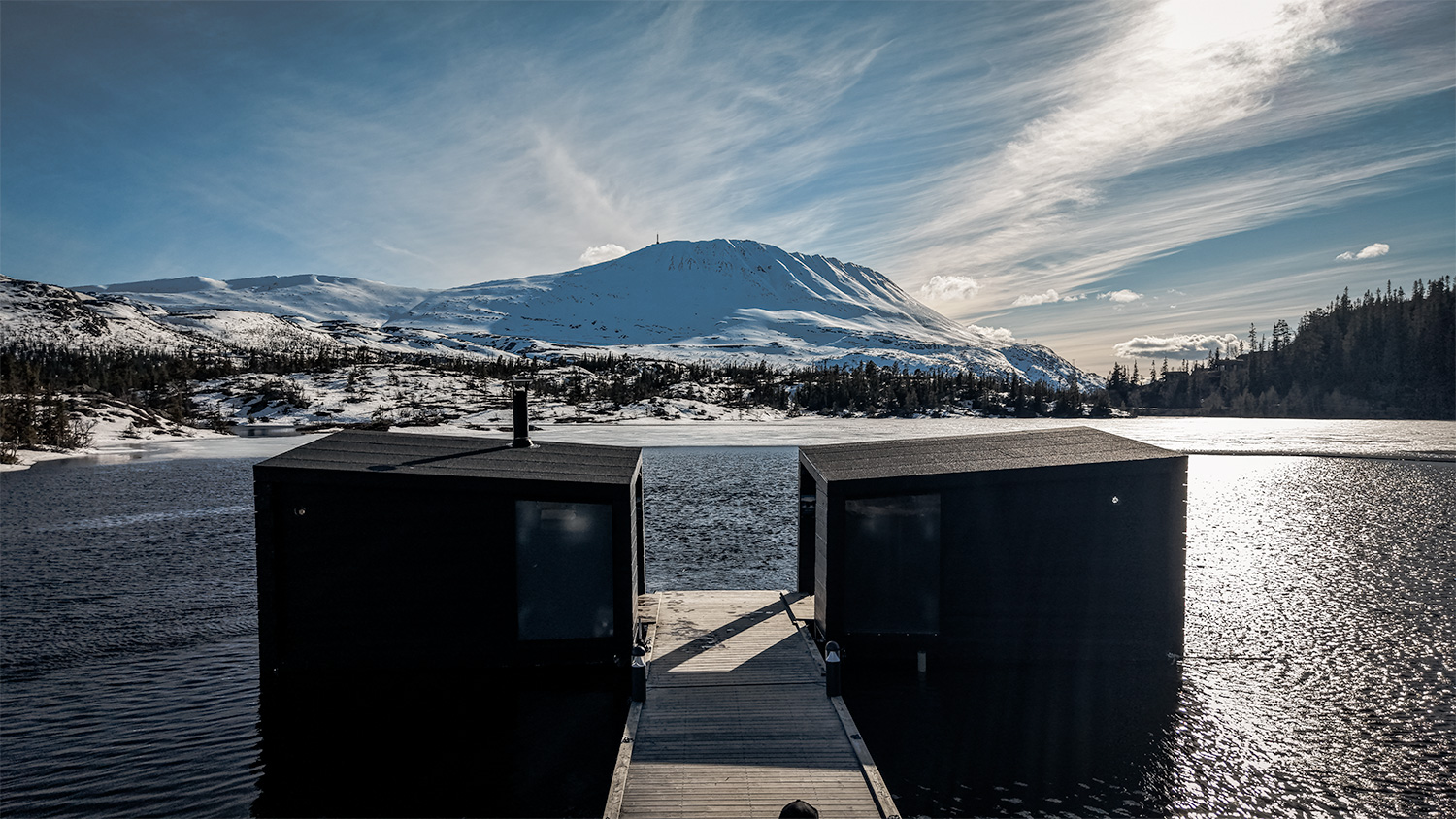
After day one on the trail, you close the evening in the best way Norway knows: the floating sauna at Gaustablikk, right on the lake. A mandatory part is a dip into four-degree Celsius water. That’s not a suggestion, that’s a requirement. Your body protests briefly and intensely, and afterward feels better than before the trail. Recovery, Norwegian style.
The men who stopped the atomic bomb
It was 1942. Germany was secretly working on an atomic bomb, a program that had been running since 1939. The key was heavy water, deuterium oxide, a substance that can control and amplify nuclear reactions. There was only one factory in all of Europe producing it in usable quantities: Norsk Hydro in Vemork, right in the middle of Telemark. The Germans had control of the factory. And the Allies knew that if that production continued, the race for the bomb could take a different turn.
Operation Grouse
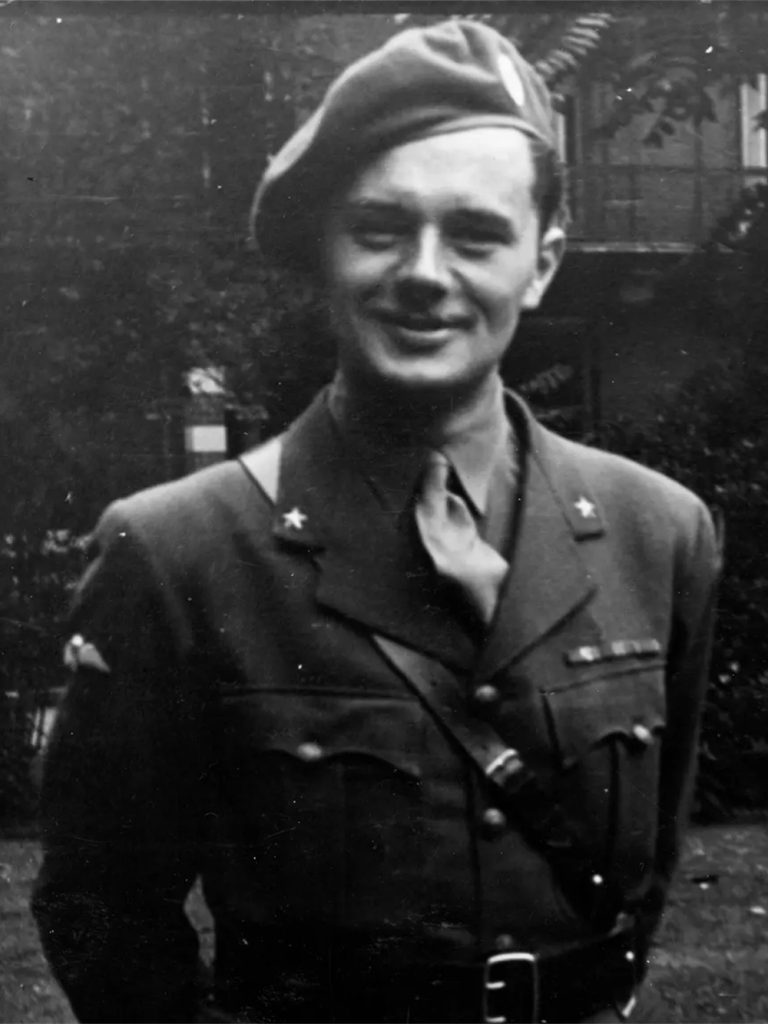
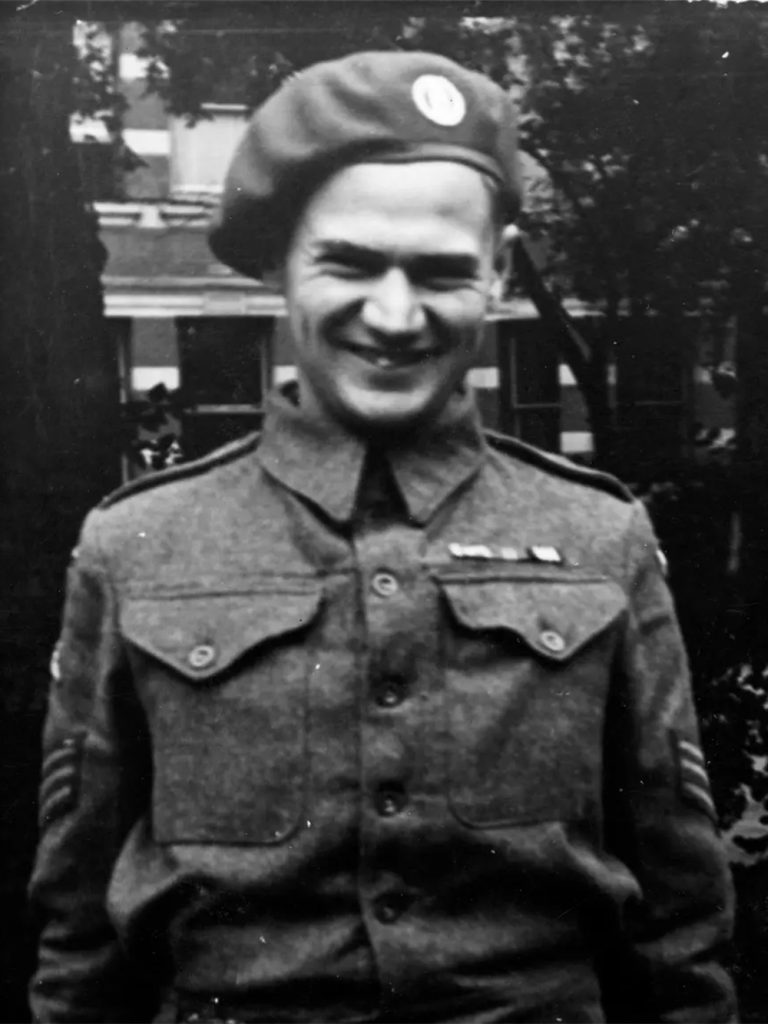
What followed was Operation Grouse: four Norwegian men dropped over the Hardangervidda in the fall of 1942. Jens-Anton Poulsson as leader. Arne Kjelstrup. Knut Haugland as radio operator. Claus Helberg. All born in Telemark, all raised in this terrain. They survived months on the vidda, in extreme cold, with almost no supplies, waiting.
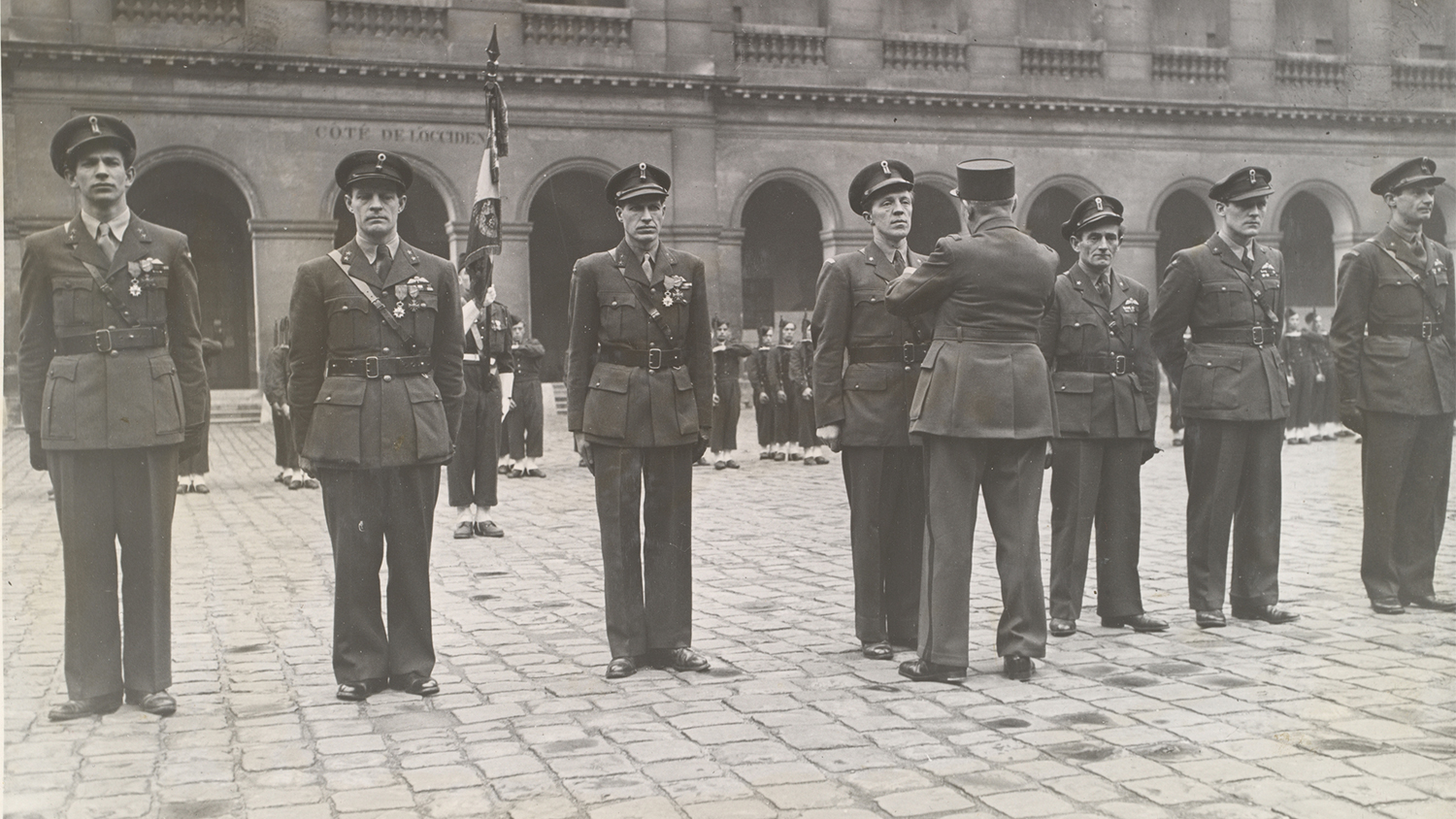
In February 1943, reinforcements arrived. Operation Gunnerside: six more men, led by Joachim Rønneberg. On the night of February 27 to 28, 1943, the combined team of ten men snuck into the factory through a ravine the Germans considered impassable. They placed explosives in the heavy water cellar, lit the fuse, and disappeared into the dark. The installations were completely destroyed. None of the ten were caught.
What Telemark has that other adventure destinations don’t
We walk part of the Sabotørstien, the “North Part of the Sabotage Trail,” guided by Jon Haukåssveen. Jon knew Claus Helberg personally. He points out where the team slept. His own cabin stands along the trail, next to the original hut where the saboteurs spent the night. That hut is still there. The wood is old and gray, and standing next to it you understand what it means to be somewhere where something was truly decided.
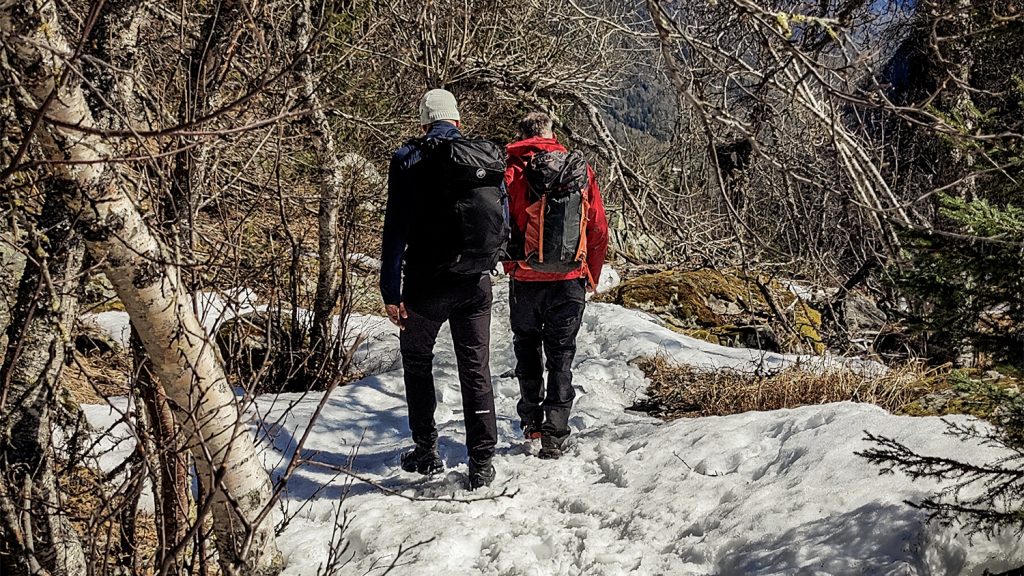
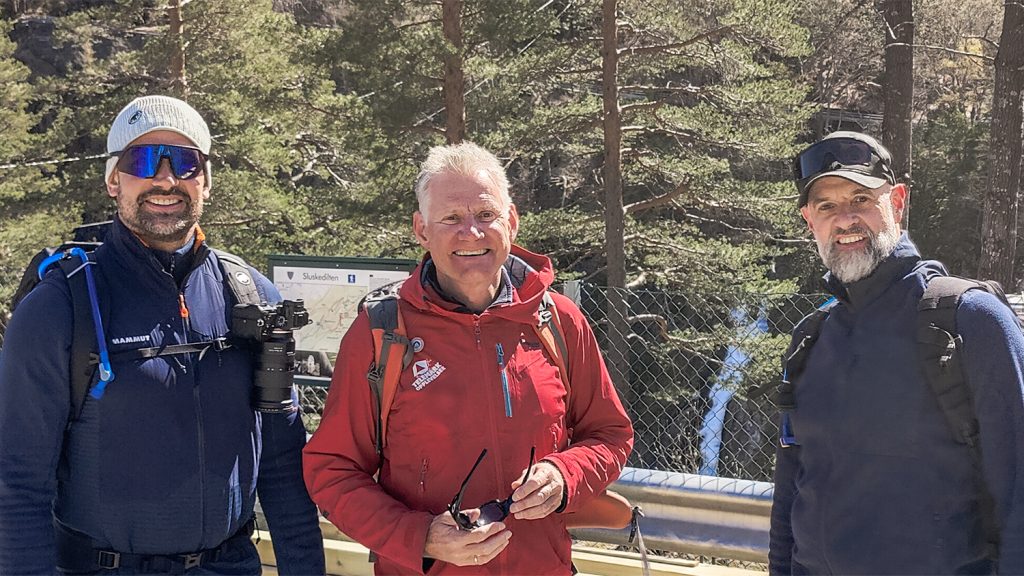
The trail connects to a guided tour by Ingar Hovden at the Norwegian Industrial Workers Museum in Vemork. The heavy water cellar is still there. Cold stones, little light, no attempt to dress it up for visitors. This isn’t a reconstruction. This is the real thing.
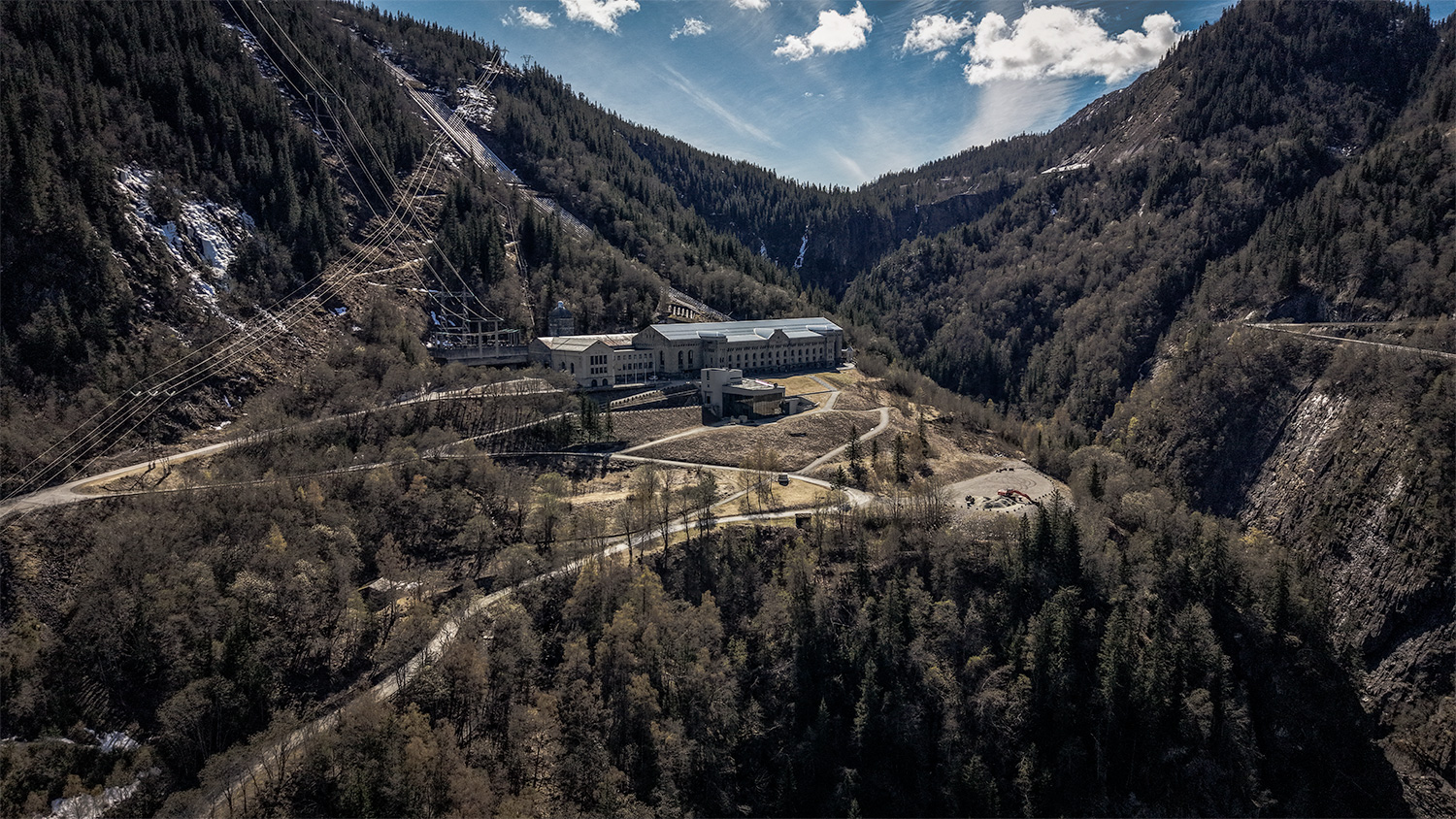
Gaustabanen: the secret NATO lift that officially didn’t exist
Gaustabanen is the kind of infrastructure that takes you a good minute to process before you understand what you’re actually looking at. Completed in 1959 as a tourist attraction, but immediately taken over by NATO as a secured communications facility deep inside the mountain. Built in secret, without the Norwegian public knowing.
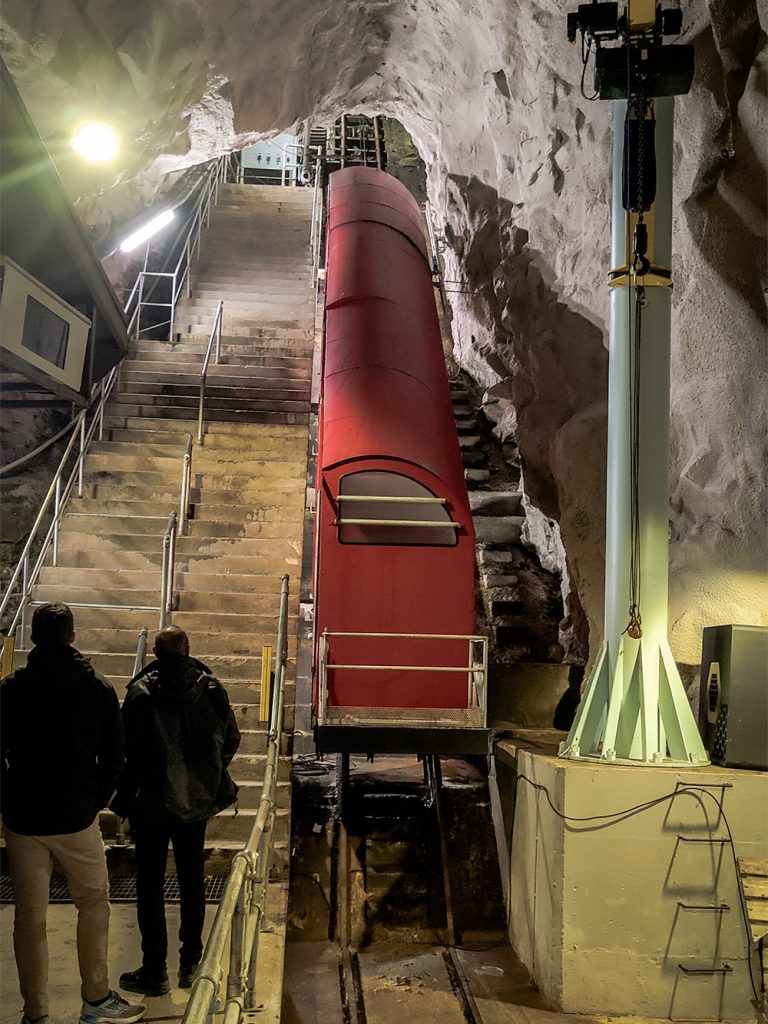
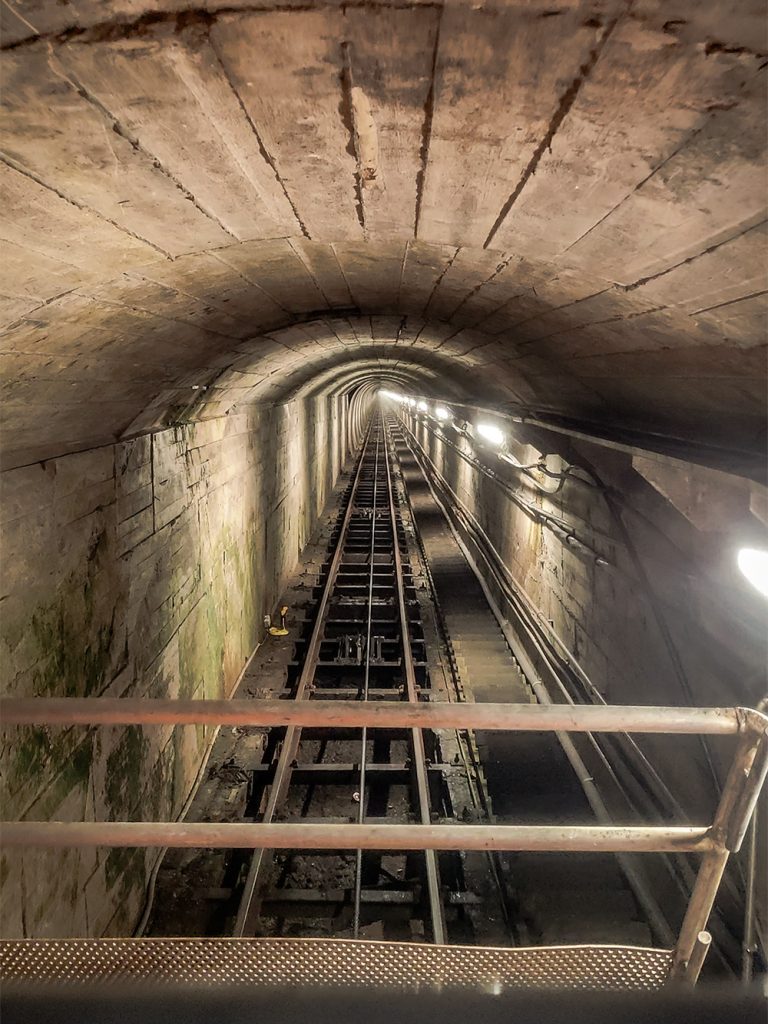
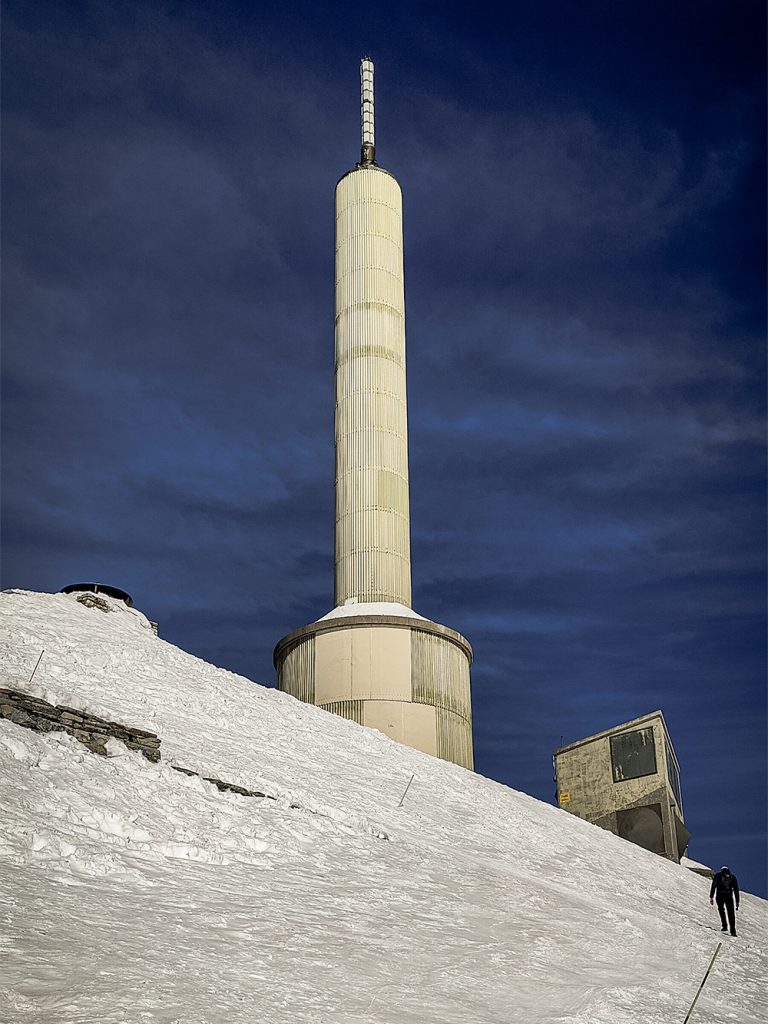
The first stage: 850 meters horizontal into the mountain by tram. Then a steep tunnel upward, 1,040 meters long, with a 39-degree incline and 675 meters of elevation gain. At the top: the Gaustatoppen plateau at 1,883 meters, with a view over a sixth of Norway.
Guide Rune Solversen leads us to the lift. It hasn’t been modernized to make you feel comfortable, it’s been modernized to keep you safe. You can tell the difference. It rattles, it creaks, and that makes it better. Gaustabanen would have fit seamlessly into a Bond film.
Via Ferrata at Gautefall and e-bikes through untouched terrain
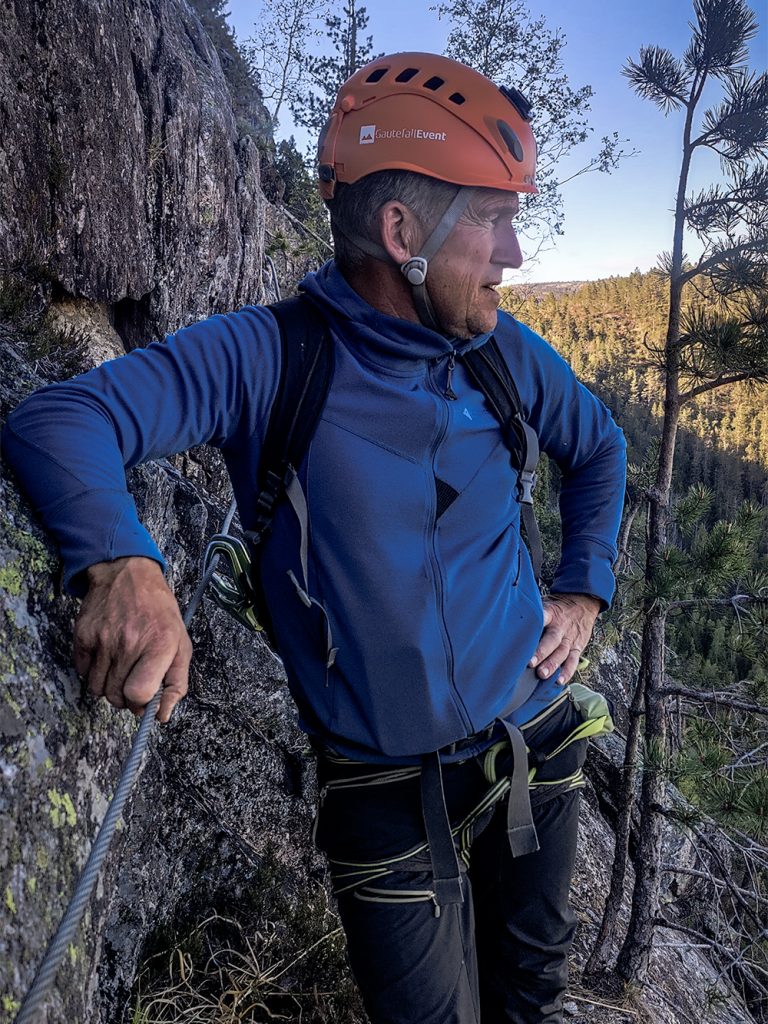
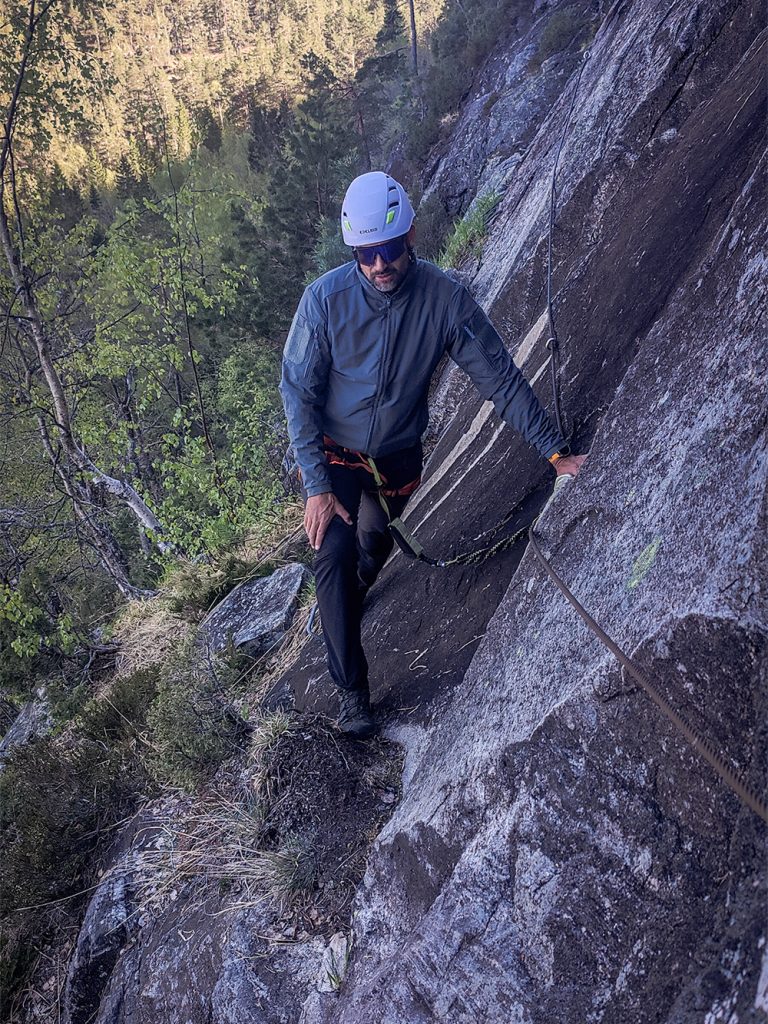
After Gaustablikk we drive on to Gautefallheia, where Sverre welcomes us and shows us to our accommodation. That same evening: a two-hour Via Ferrata climb with Olav from Gautefall Events. Anchor points, views over the valley, and the quiet satisfaction of a climb that physically demands something from you. There are worse ways to fill an evening.
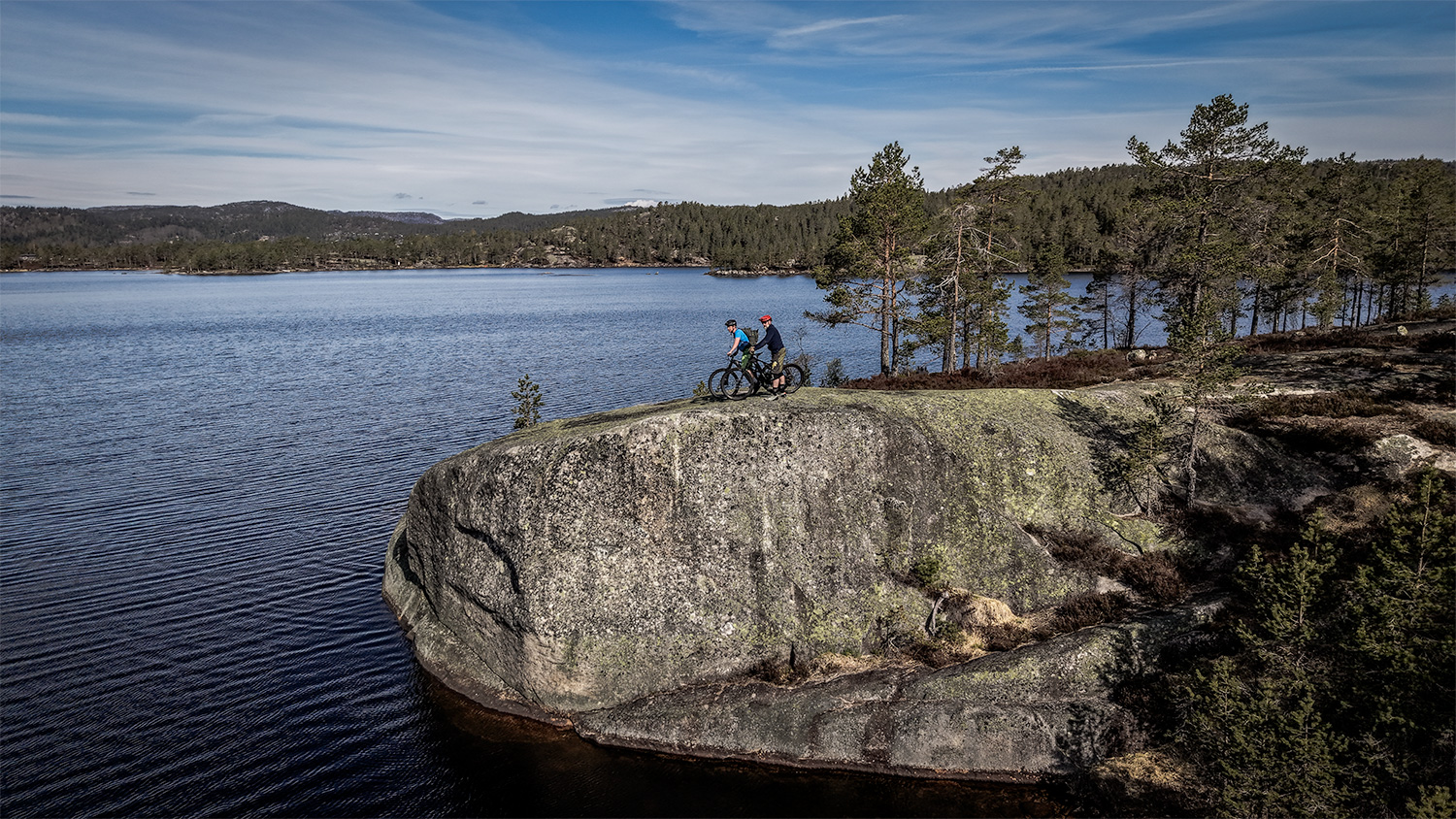
The next morning we grab Specialized e-bikes toward the Norrøna Canvas Hotel. Tom Bonnor meets us halfway and leads us through a mountain bike area that wasn’t built but grew organically. Some woodwork here and there to keep paths passable, but the terrain itself is untouched. You notice the difference immediately in how it rides.
Norrøna Canvas Hotel: safari aesthetic, Scandinavian execution
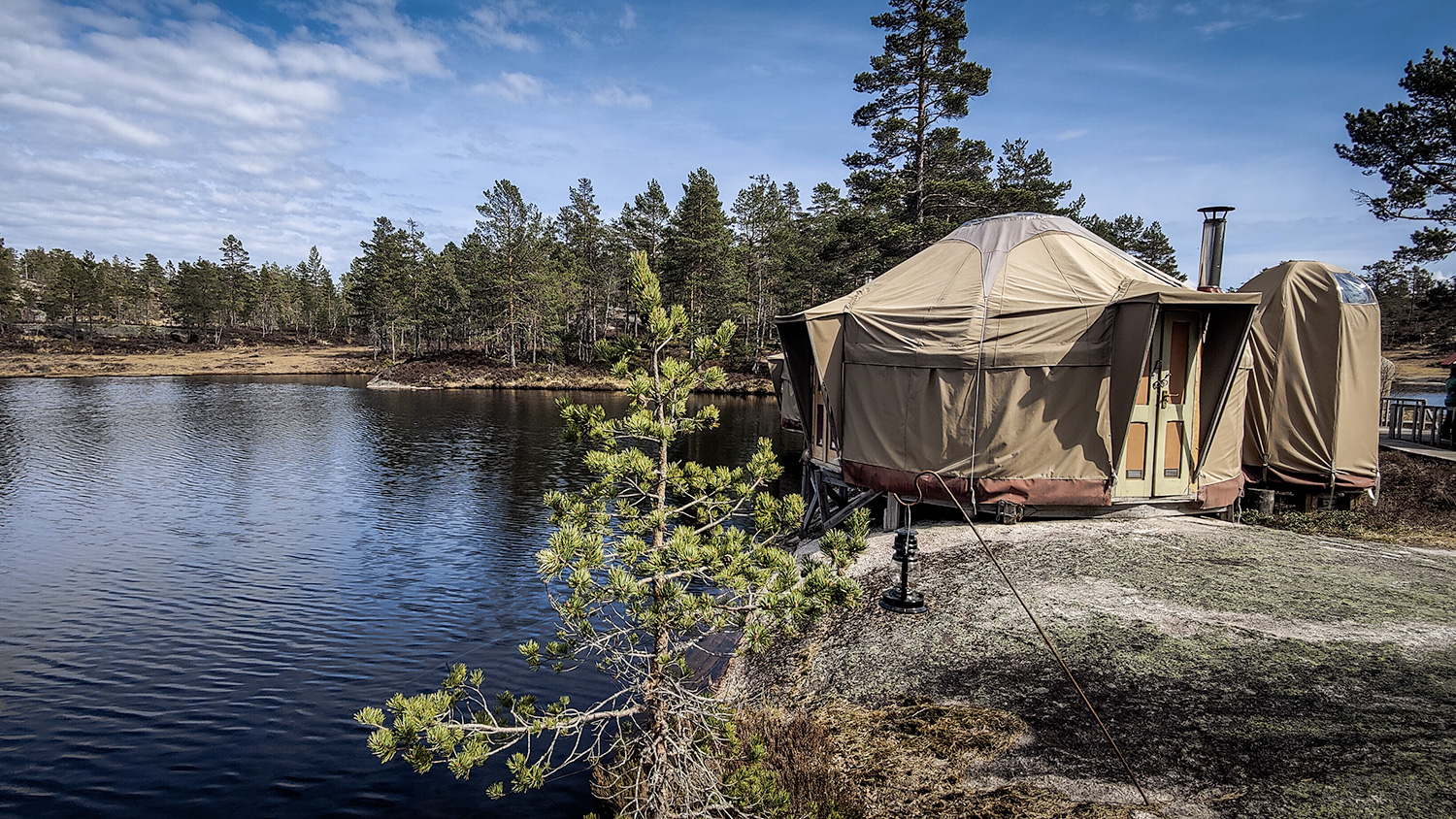
At first glance, the Norrøna Canvas Hotel looks like a safari lodge that took a wrong turn somewhere between Norway and Kyrgyzstan. Kyrgyz yurts and canvas tent houses in khaki, connected by small bridges to the trails on either side. Outdoor bathtubs. A wood-fired sauna. Meals that match the terrain.
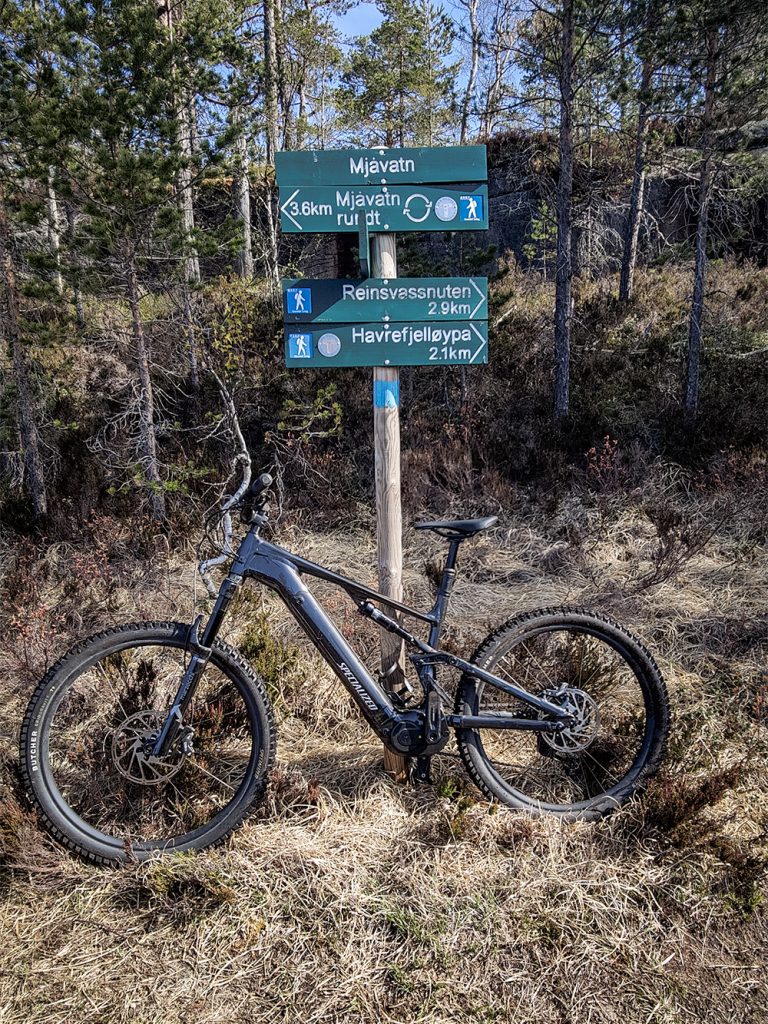
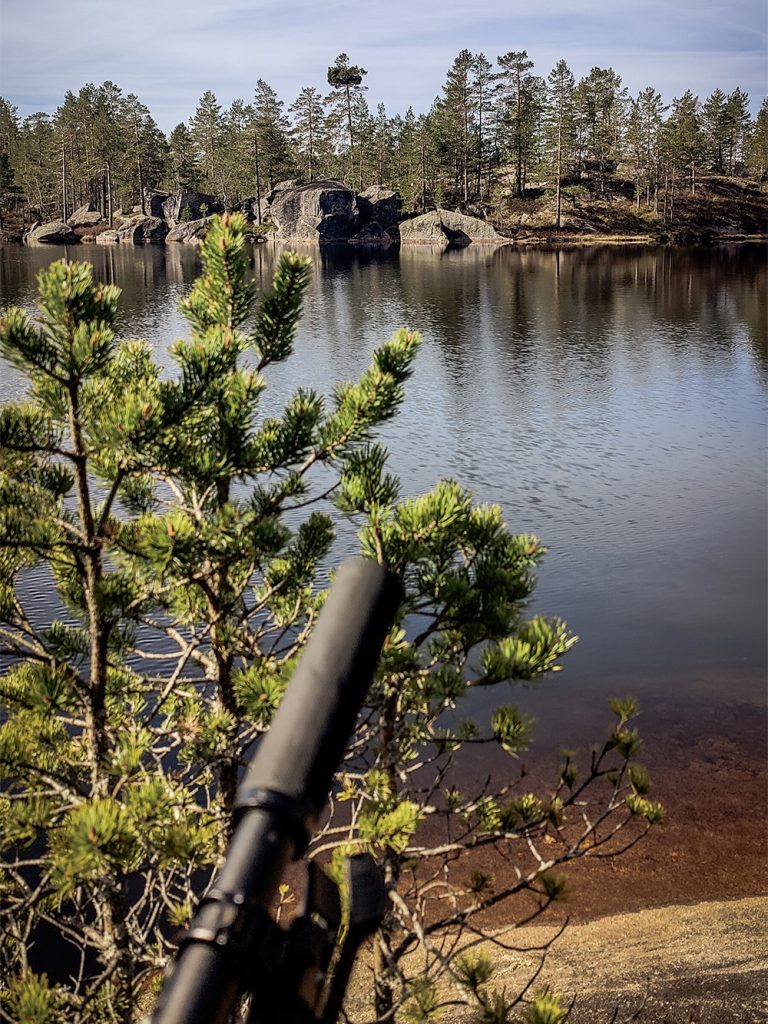
The smart part of this concept is the direct link between accommodation and activity. You ride the trails straight from your tent door. No transfer, no car, no parking lot. You drop your gear, throw your legs up in the tub, and the next morning you start again. That’s how a good base camp works.
Gear notes
For a trip like this, where you hike, climb and bike in a single day, you don’t want compromises in your layering. Weather conditions in Telemark change fast and the elevation difference within one day is significant. A good softshell for the trail, a windproof outer layer for above the tree line, and merino as a base layer is the minimum. For the Via Ferrata: bring your own gloves, the rental ones are functional but not pleasant to use.
The Specialized e-bikes at the Canvas Hotel were well set up for the terrain. Untouched singletrack on an e-bike, by the way, still demands technical riding. The motor doesn’t compensate for bad positioning.
Telemark proves that adventure travel doesn’t have to choose between depth and movement. In a single day you can walk through a historical hut where the war was influenced, climb a secret NATO mountain and then let your muscles unwind in a floating sauna. That’s not a program. That’s simply how Telemark is built.
Frequently asked questions about Telemark
- What is the Sabotage Trail in Telemark and how difficult is the route?
The Sabotørstien follows the route of the Norwegian saboteurs who destroyed the heavy water factory in Vemork in 1943. The North Part is manageable for hikers with basic mountain experience. The route combines historical stops, rugged terrain and a connection to the museum in Vemork. Guidance from a local guide adds context you won’t get from a map. - What is Gaustabanen and is it accessible to visitors?
Gaustabanen is a unique railway system secretly built into Gaustatoppen in 1959, initially as a tourist attraction but immediately taken over by NATO. The system takes you via a horizontal tram ride and a steep tunnel climb of 675 meters elevation gain to the plateau at 1,883 meters. Today it’s open to visitors and can be booked through Gaustabanen’s website. - What gear do you need for an active trip in Telemark?
Plan for fast-changing conditions and multiple activity types in a single day. Essential: a good softshell for the trail, windproof outer layer for higher zones, merino base layer, sturdy hiking boots with grip and your own gloves for Via Ferrata. If you’re adding e-bike trails: a helmet is mandatory, and your own protection is recommended on the more technical singletrack. - Is the Norrøna Canvas Hotel suitable as a base camp for active trips?
The Canvas Hotel is directly connected to mountain bike trails and within biking distance of other activities in Gautefallheia. The facilities, including an outdoor bathtub, sauna and high-level meals, are geared toward recovery after exertion. As an active base camp, it works well. - When is the best time to visit Telemark for adventure travel?
Summer, from June to September, is the most complete for a combination of hiking, mountain biking, Via Ferrata and Gaustabanen. In winter months, Gaustablikk is primarily a ski resort. May and early June can still have snow patches in higher zones, so check the accessibility of Gaustatoppen and the trail beforehand.