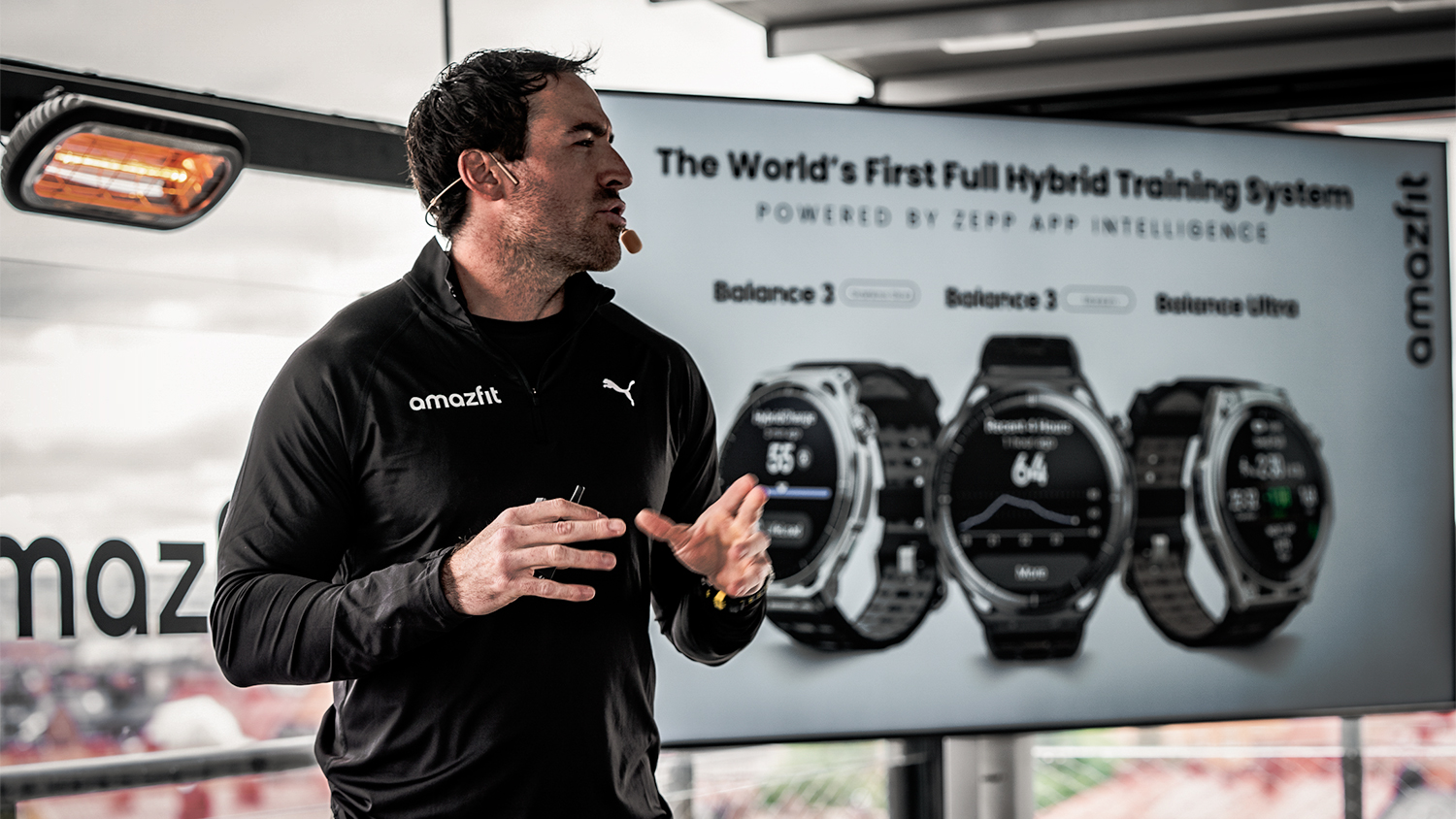
Two days before the World Championships in Stockholm, Amazfit pulled back the curtain on what the company itself calls the first fully integrated hybrid training system in the world. Not just a new watch, but an ecosystem of app and wearables built specifically for the peculiar demands of HYROX: a sport where one second you’re pushing a sled and the next you need to run a kilometre at pace, which means training load works completely differently than it does in pure endurance or pure strength sport.
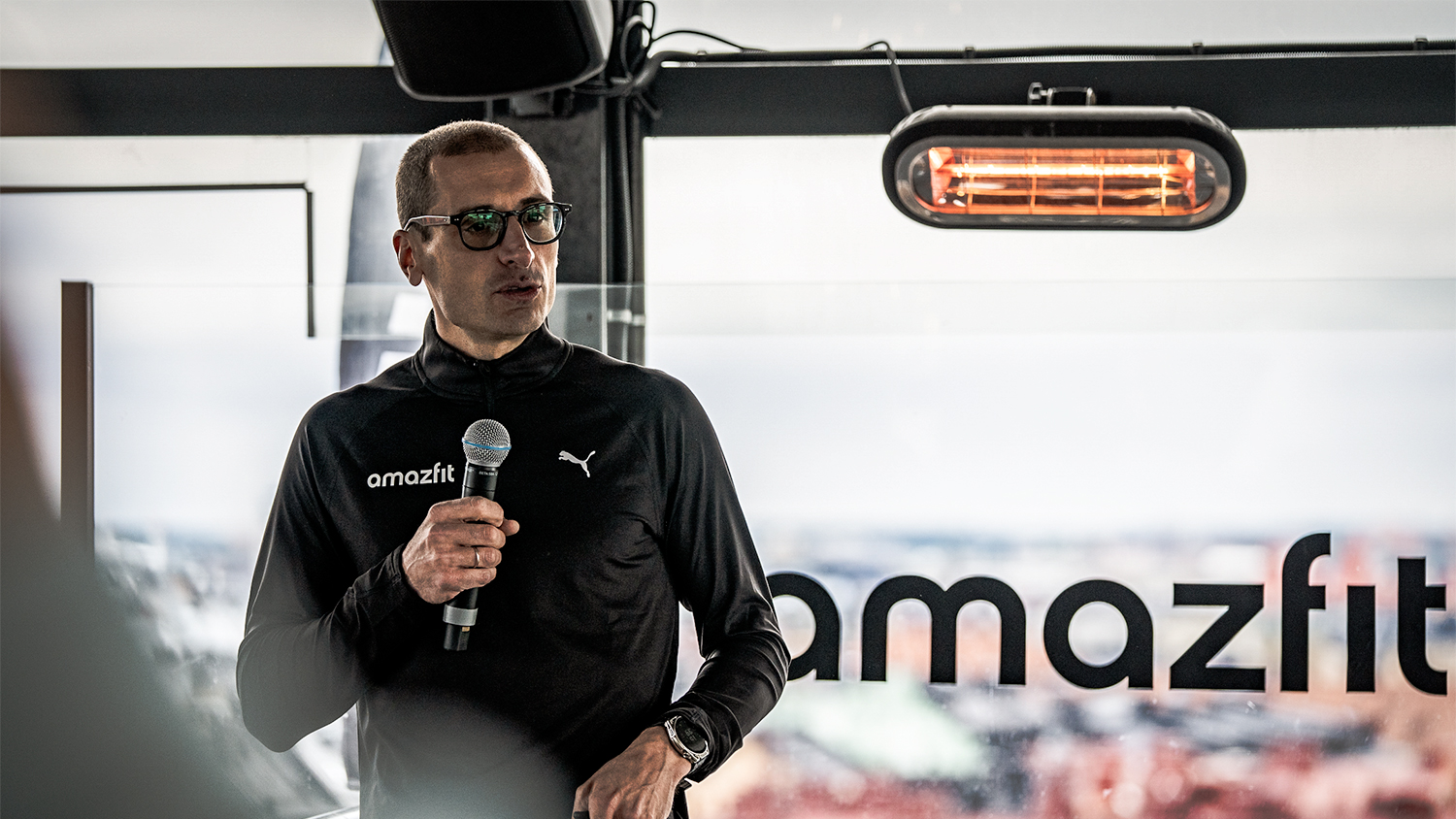
We were invited by Amazfit for the launch and were there as the Balance 3 and Balance Ultra were unveiled. We asked Hidde Weersma, European champion and the first man to break the 53-minute barrier, how he actually uses this kind of technology in his training.
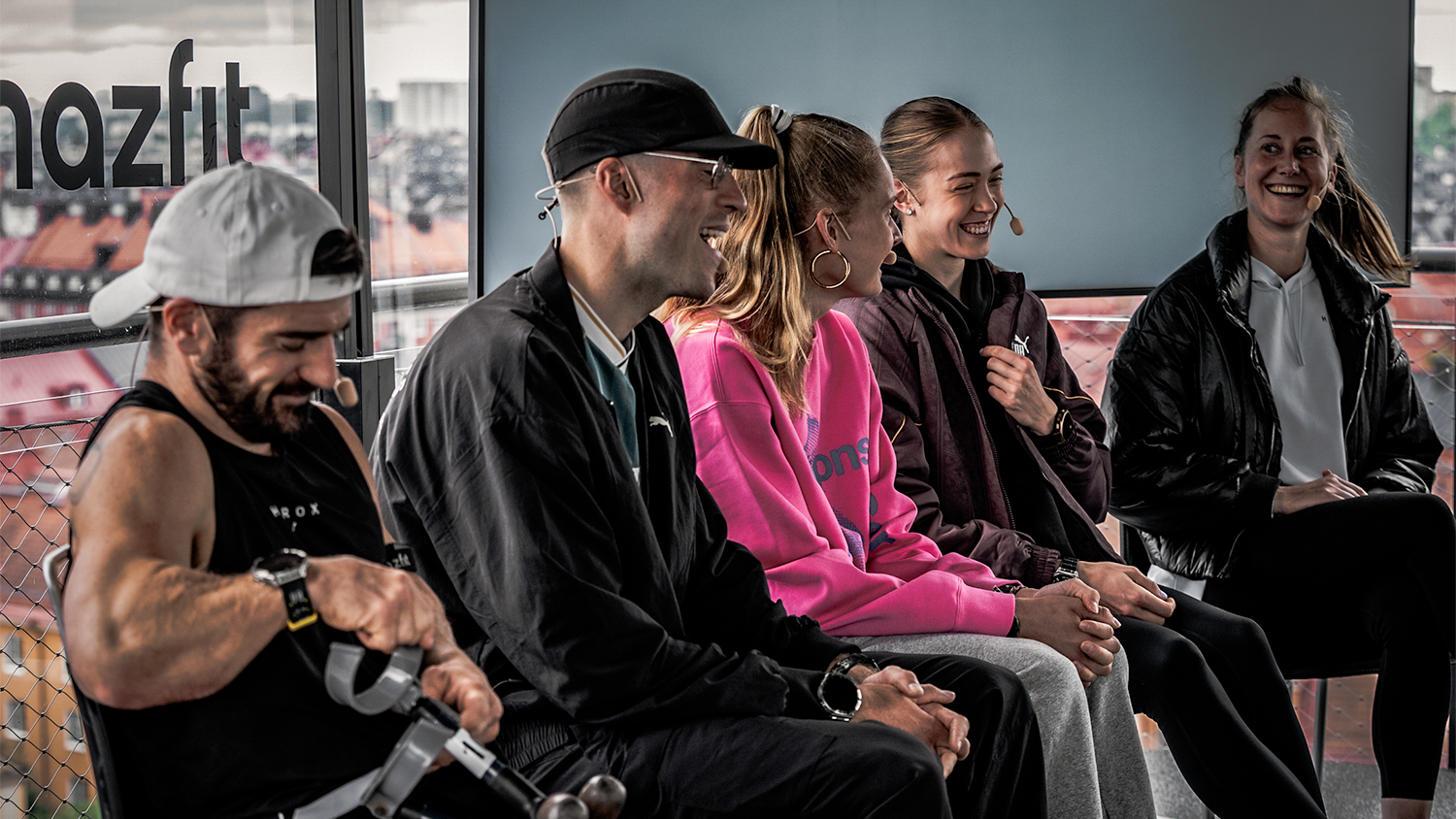
What exactly is the Amazfit Hybrid Training System?
The system consists of two parts that talk to each other: the Zepp App as the brain, and the Balance 3 and Balance Ultra watch series as the sensors on the wrist. According to Jesús Carrero, General Manager EMEA at Amazfit, the core problem the system solves is keeping endurance, strength and speed in balance: too much focus on one comes at the cost of the other, and the system needs to surface that before it’s too late.
Training Balance, Weekly Focus and Hybrid Charge: what do they do?
Three new tools in the Zepp App give a fuller picture of what a training session actually delivers:
- Training Balance & Weekly Focus track, per workout, how much strength and endurance stimulus you’ve added. After each session you can log subjective fatigue, after which the tool suggests which type of training makes sense over the coming days.
- HybridCharge calculates your current energy capacity for hybrid training, built from three pillars: BioCharge (recovery and readiness), Training Load (accumulated training stress) and LifeLoad (external factors such as travel, stress and fatigue). The calculation combines measured data with your own input.
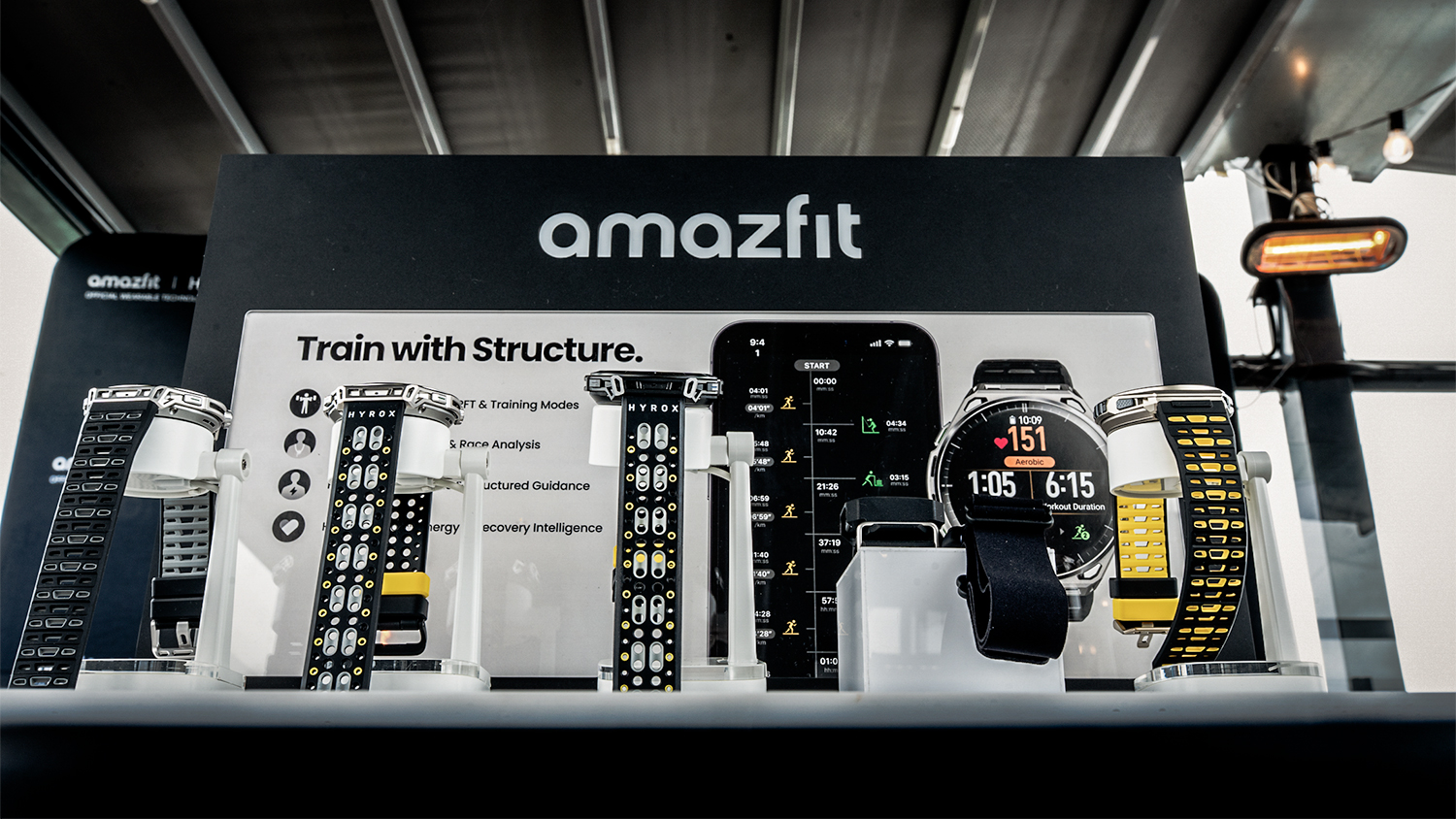
- HYROX Training Library gives access to dozens of ready-made hybrid sessions at different levels, including simulations of the first and second halves of a race, downloadable directly to the Balance 3 or Balance Ultra.
HYROX Training Library and Virtual Pace: racing against a digital pacer
The most race-specific part is the virtual pacer. HYROX Virtual Pace continuously shows whether you’re ahead of or behind your own strategy, down to the second, and how much time remains per round and per station. The underlying strategy is built in advance within the Zepp App based on your target time, including split times per running segment and per station, with time in the Rox Zone shown separately. Anyone wanting to deviate mid-race can adjust the strategy manually.
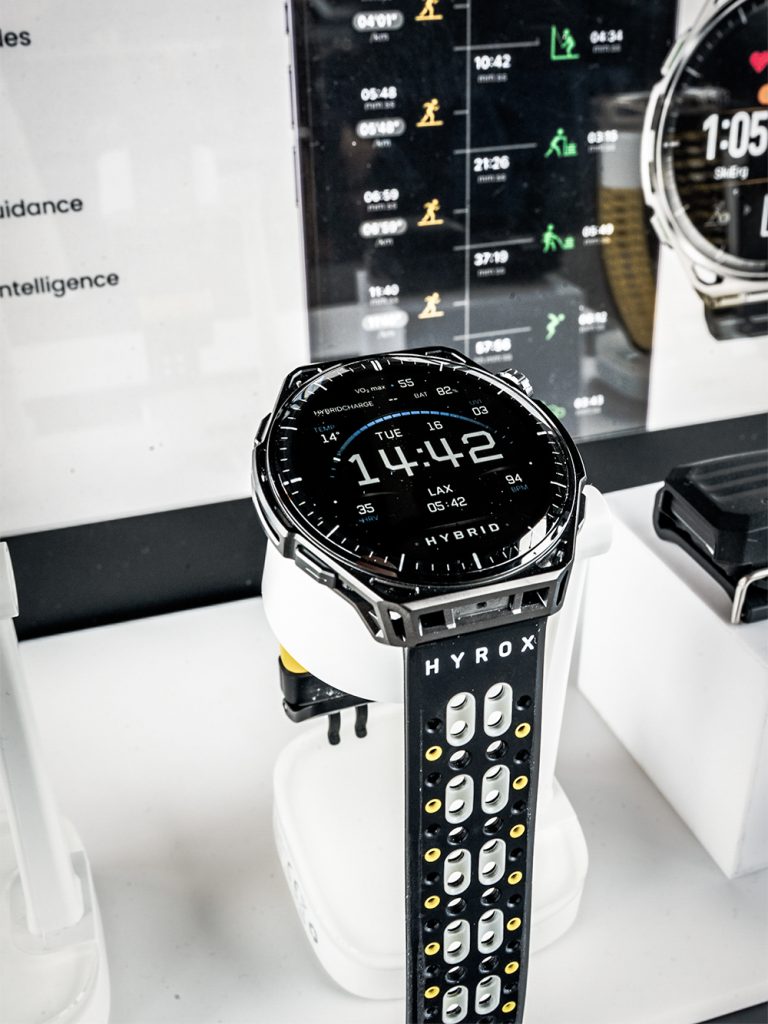
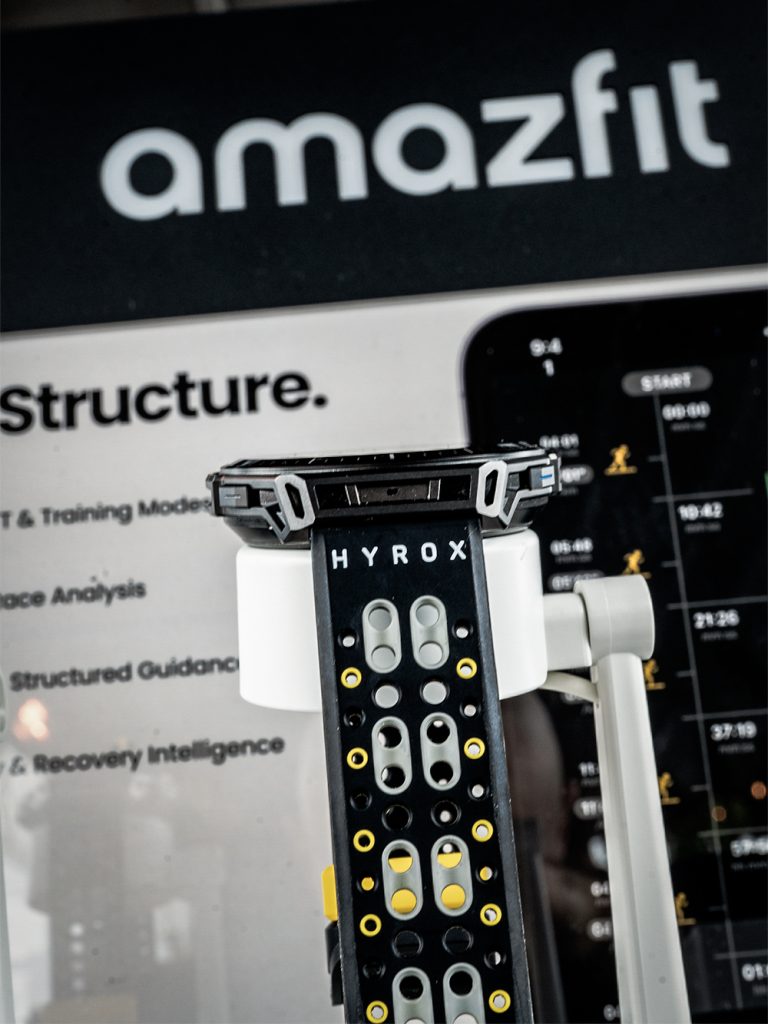
Afterwards, the watch produces an analysis that sets your result against other competitors: split times per running segment, per station, and a benchmark against the field average.
How does an Elite athlete actually use this?
In practice, that translates into a schedule built around high-density EMOM sessions and so-called threshold run bricks: threshold runs alternated with strength work, so the body arrives exactly prepared for what a race demands.
In HYROX, the solution is not training harder. The key is to precisely identify weaknesses and directly target them in training.
So says Hidde Weersma, in a statement around the launch. He also points to the importance of heart rate zone four, around the aerobic threshold: HYROX, in his view, largely comes down to who can move fastest in that zone. During training, he monitors precisely how much time he spends there via his Amazfit watch or the Helio Strap, so he knows for certain he’s delivering exactly the training stimulus he planned.

Two days later: Amazfit adds the Helio Strap Pro
While the Elite athletes were preparing for the races themselves, on June 18 Amazfit added another layer to the system: the Helio Strap Pro. This is a different, newer product than the Helio Strap Weersma refers to above; that one already existed, and the Pro version specifically adds a second sensor and combined data analysis. Where the watch measures mainly from the wrist, this new, screen-free sensor set brings in readings from two other points on the body: the upper arm and the waist.
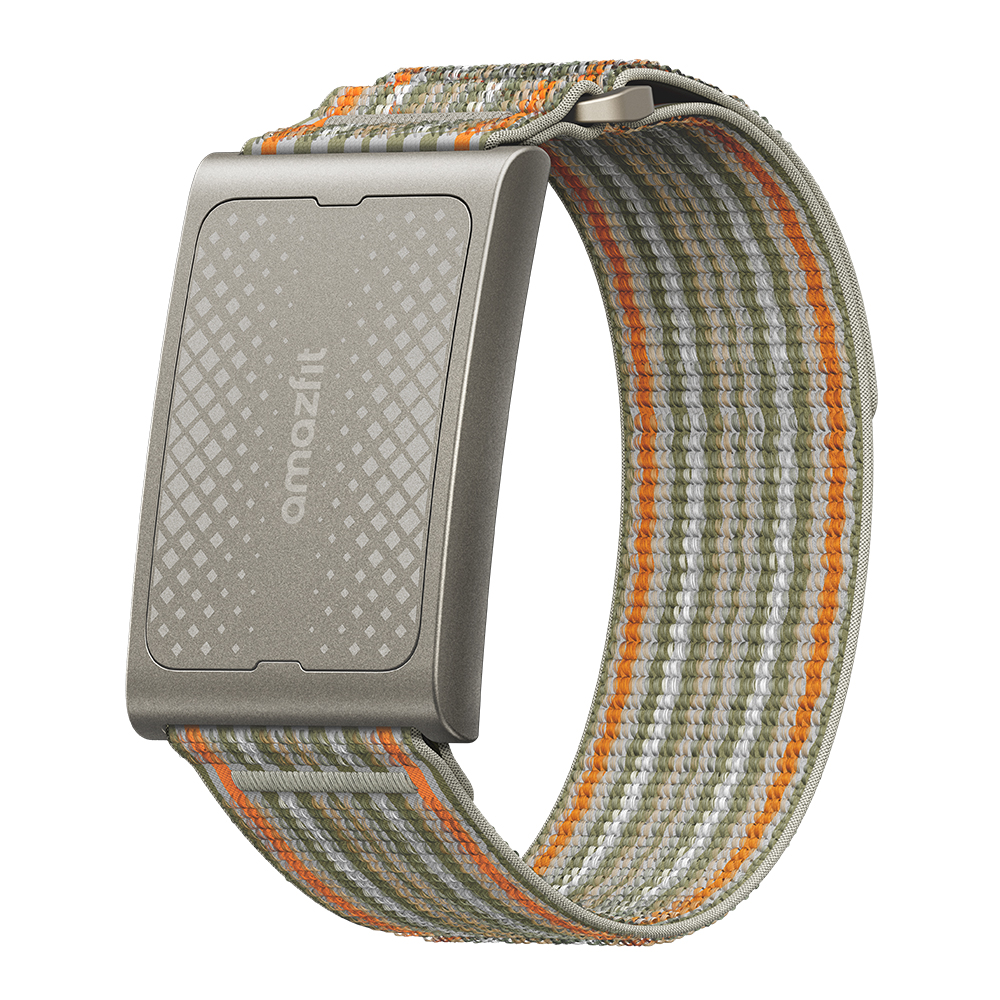
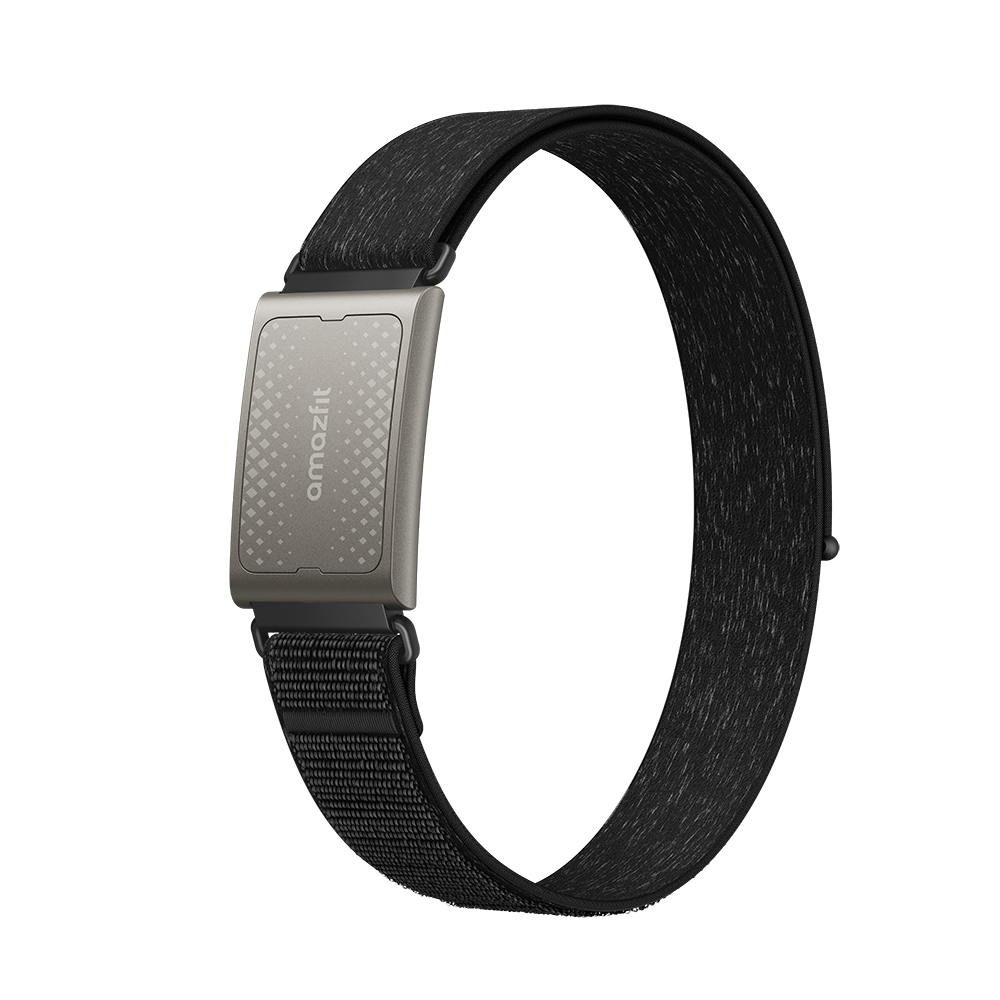
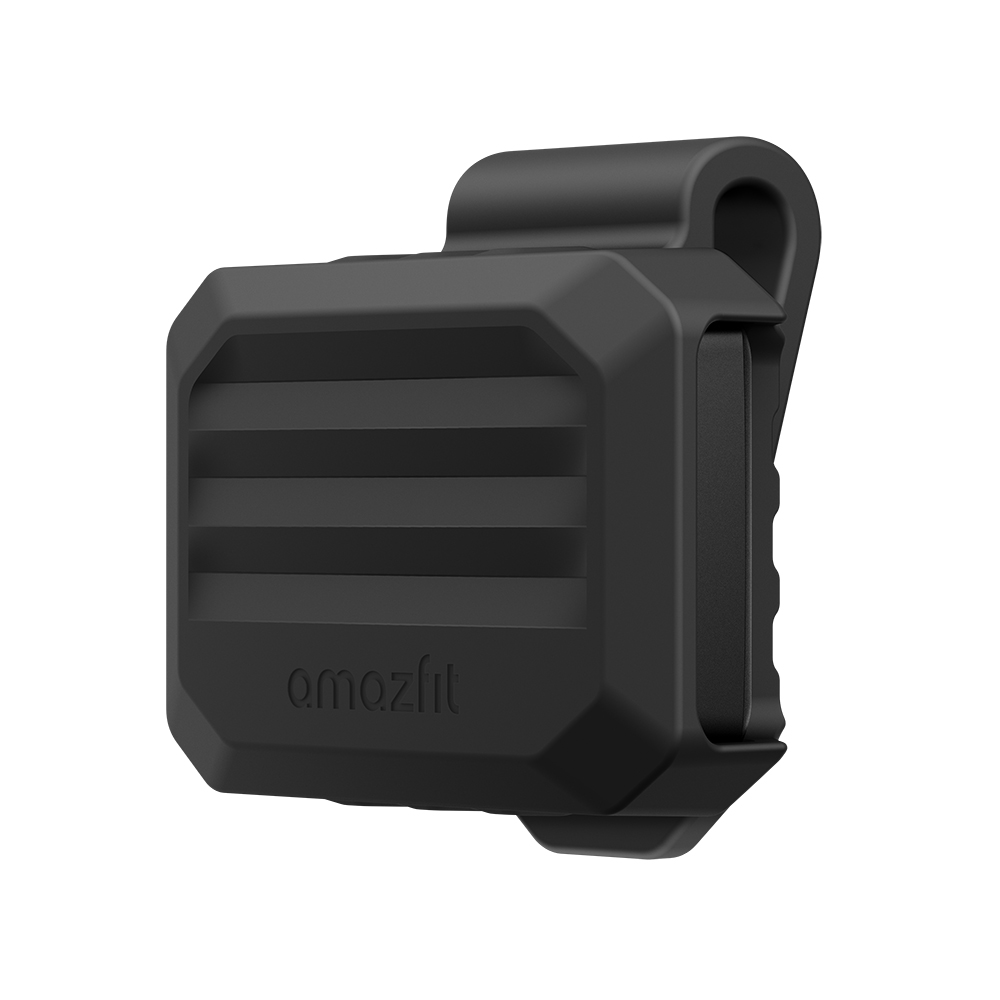
The Helio Core Motion HR sits on the upper arm, closer to the heart, reducing interference from wrist movement, gripping and equipment contact during strength and functional training. The Helio Core Motion Waist sits at the waist and captures core movement, position and stability. Together with the Balance 3 or Balance Ultra, which keeps tracking actual training effect and cardio effort from the wrist, this builds a fuller picture than wrist data alone can provide.
Designed around movement
So says Scott Shepley, Head of Global Marketing at Amazfit, at the launch. The launch experience is specifically built around the eight movements used in HYROX racing: skierg, sled push, sled pull, burpee broad jump, rowing, farmer’s carry, sandbag lunges and wall balls. After a workout, the Zepp App brings movement, muscle load and cardio effort together into a single view, surfacing exactly where fatigue starts to affect execution.
The Helio Strap Pro also works independently of a watch: it can be used screen-free, shares heart rate data over Bluetooth with third-party watches, cycling computers and training apps, and syncs with Apple Health through the Zepp App as well. No subscription is required. Sales are expected to start within a few weeks.
What does this say about the future of hybrid training tech?
What stands out about this system isn’t any single feature, but the combination: measuring, planning, executing and analysing sit in one chain for the first time, built around a sport that’s not even ten years old but which Amazfit itself calls the fastest-growing sport in the world. For anyone doing hybrid training themselves, this mostly means you no longer have to guess whether a training week was built correctly. The watch, or at least the combination of watch, strap and app, already knows before you feel it.
Quick answers
- What does the Amazfit Balance 3 specifically do for HYROX training?
The Balance 3 supports HYROX Training and HYROX Race modes, including a virtual pacer that shows per round and per station whether you’re ahead of or behind your strategy, and gives access to the HYROX Training Library with ready-made sessions. - What’s the difference between the Balance 3 and the Balance Ultra?
Both watches support the same Hybrid Training System and the same HYROX features within the Zepp App; the Ultra is the more extensive model in the line. - What is the Helio Strap, and why do athletes use it alongside their watch?
The Helio Strap is a separately worn Amazfit sensor that, according to Hidde Weersma, is used to continuously monitor time spent in a specific heart rate zone, as a complement to the watch itself. - What does the Helio Strap Pro add compared to the regular Helio Strap?
The Helio Strap Pro consists of two sensors: a heart rate sensor on the upper arm and a new motion sensor at the waist that measures core stability and muscle load. Combined with the Balance 3 or Balance Ultra, this builds a fuller picture of how the body performs under fatigue, specifically tuned to the eight HYROX movements. - What does HybridCharge mean in practice?
HybridCharge calculates how much energy you have available for training at any given moment, built from BioCharge (recovery), Training Load (accumulated stress) and LifeLoad (external factors like travel and stress), combined with your own subjective input. - Is this system only useful for Elite athletes?
No. The tools are built around the same balance between strength and endurance every hybrid athlete needs; the HYROX Training Library includes sessions at different levels, not just for the absolute top.