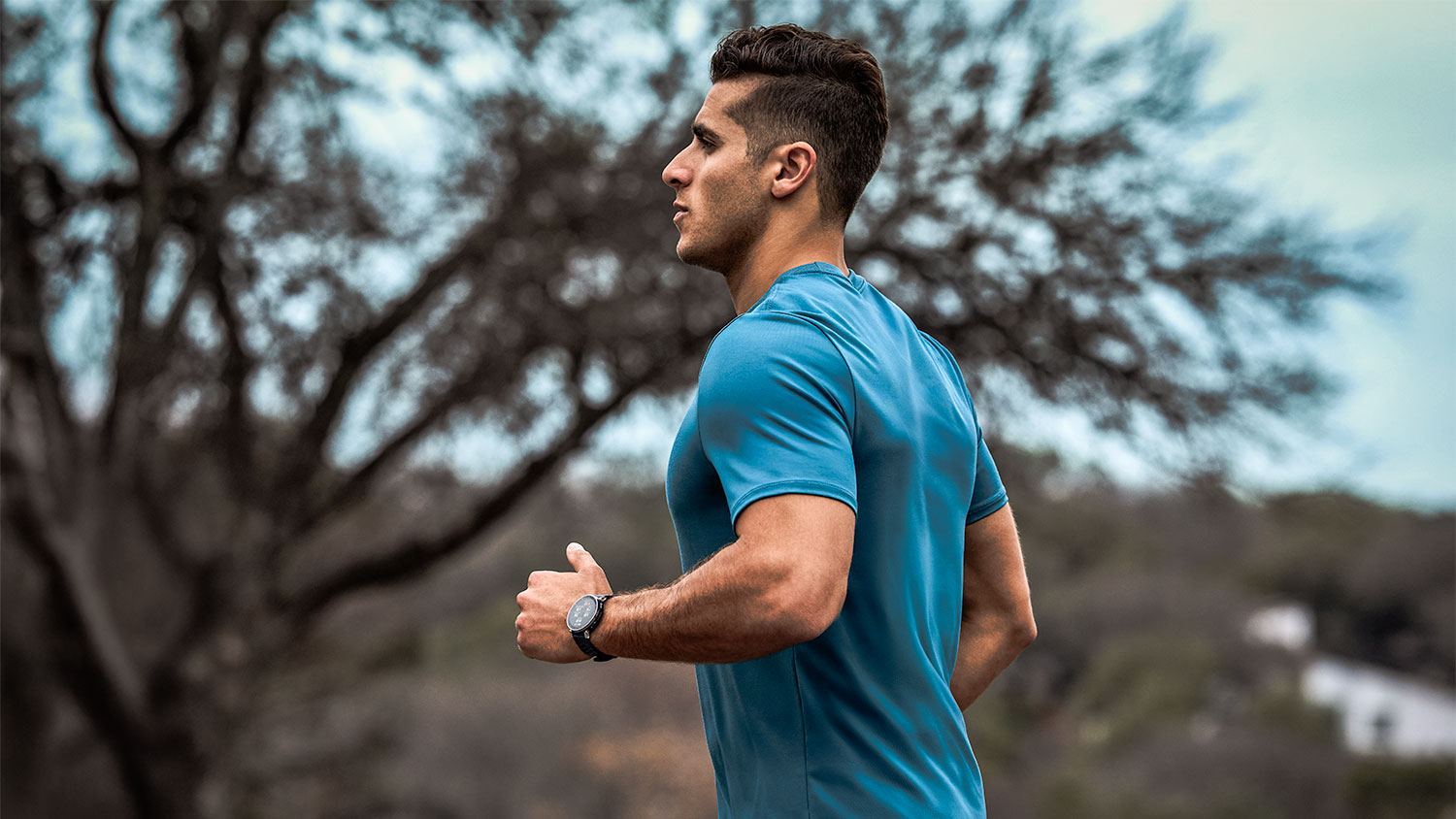
Running used to be simple. Put on your shoes, head out the door, clear your mind. Nowadays, you have a small laboratory on your wrist. With the arrival of the Amazfit Active 3 Premium, even the lactate threshold has become part of the recreational runner’s standard repertoire. What used to be reserved for sports labs and top athletes is now shifting towards the Saturday 10-kilometre run.
This is not a minor detail. It says something about how the sport is changing. The hunger for data is growing faster than the number of kilometres run. So the question is not only what this Amazfit watch can do, but what it means that it can do all this for 169.90 euro.
Data as a new training tool
The Amazfit Active 3 Premium is aimed explicitly at beginners and ambitious runners. The watch offers personalised schedules via Zepp Coach and a library of training plans that adapt to your level and target distance. Artificial intelligence as a digital trainer.
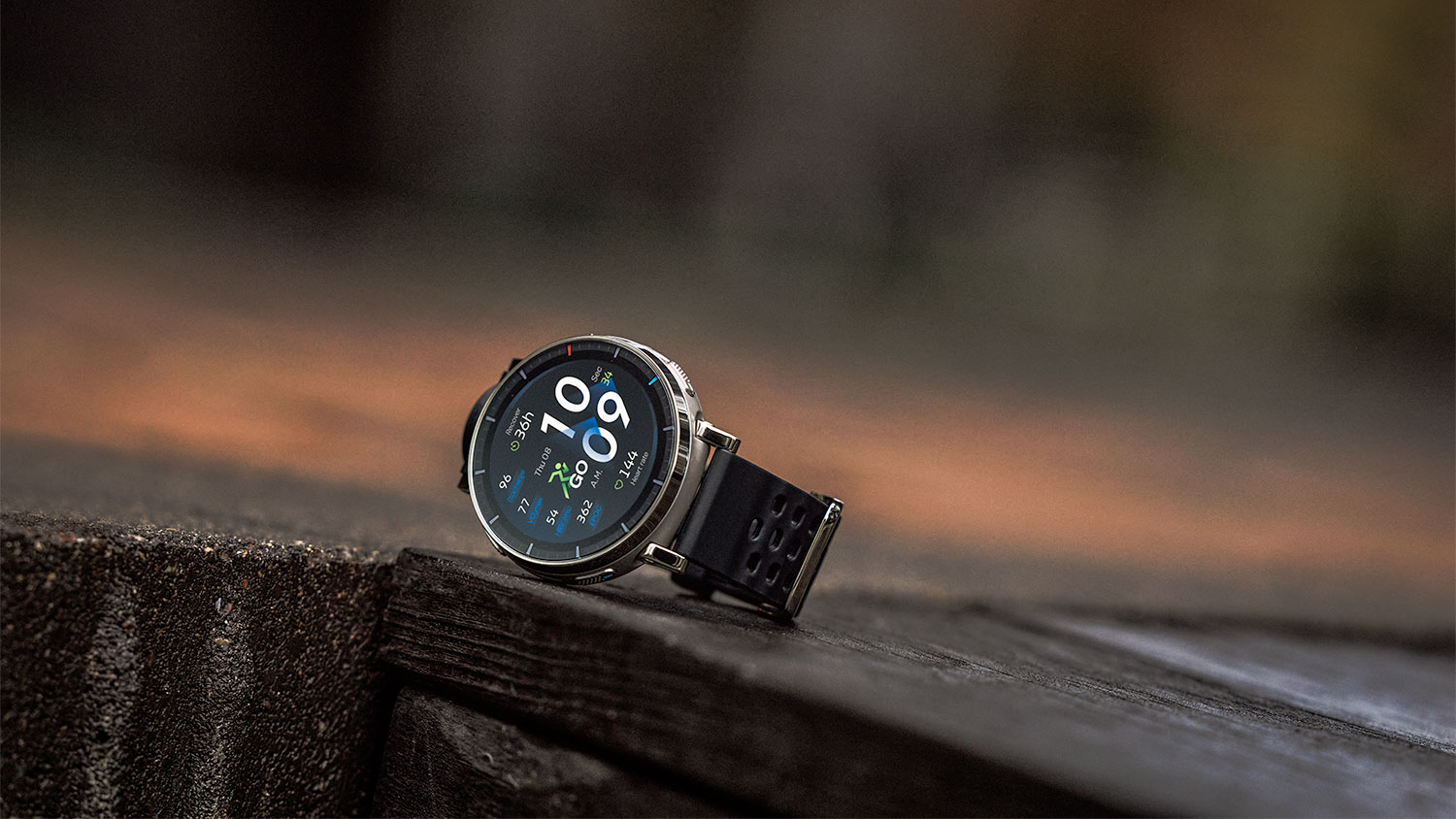
More interesting is the integration of lactate threshold measurement. The lactate threshold is the point at which the body produces more lactate during exercise than it can remove. Up to that limit, a pace can be maintained for a relatively long time. If you exceed it, fatigue quickly builds up and your legs start to ache. It is the fine line between controlled exercise and inevitable relapse.
The watch calculates this threshold, including the corresponding heart rate and pace zones. This replaces training by feel with training by numbers. Runners no longer have to guess when the intensity is just right. The screen tells them.
Yet something doesn’t quite add up. A wrist sensor remains an approximation of what is measured in a laboratory with blood analysis. For most runners, that is more than accurate enough. But it remains an interpretation of the body, not a direct look under the bonnet.
The body as a dashboard
The Active 3 Premium piles up the insights. VO2 max, heart rate variability, recovery time, short- and long-term training load, sleep quality. With BioCharge, the watch displays real-time energy levels.
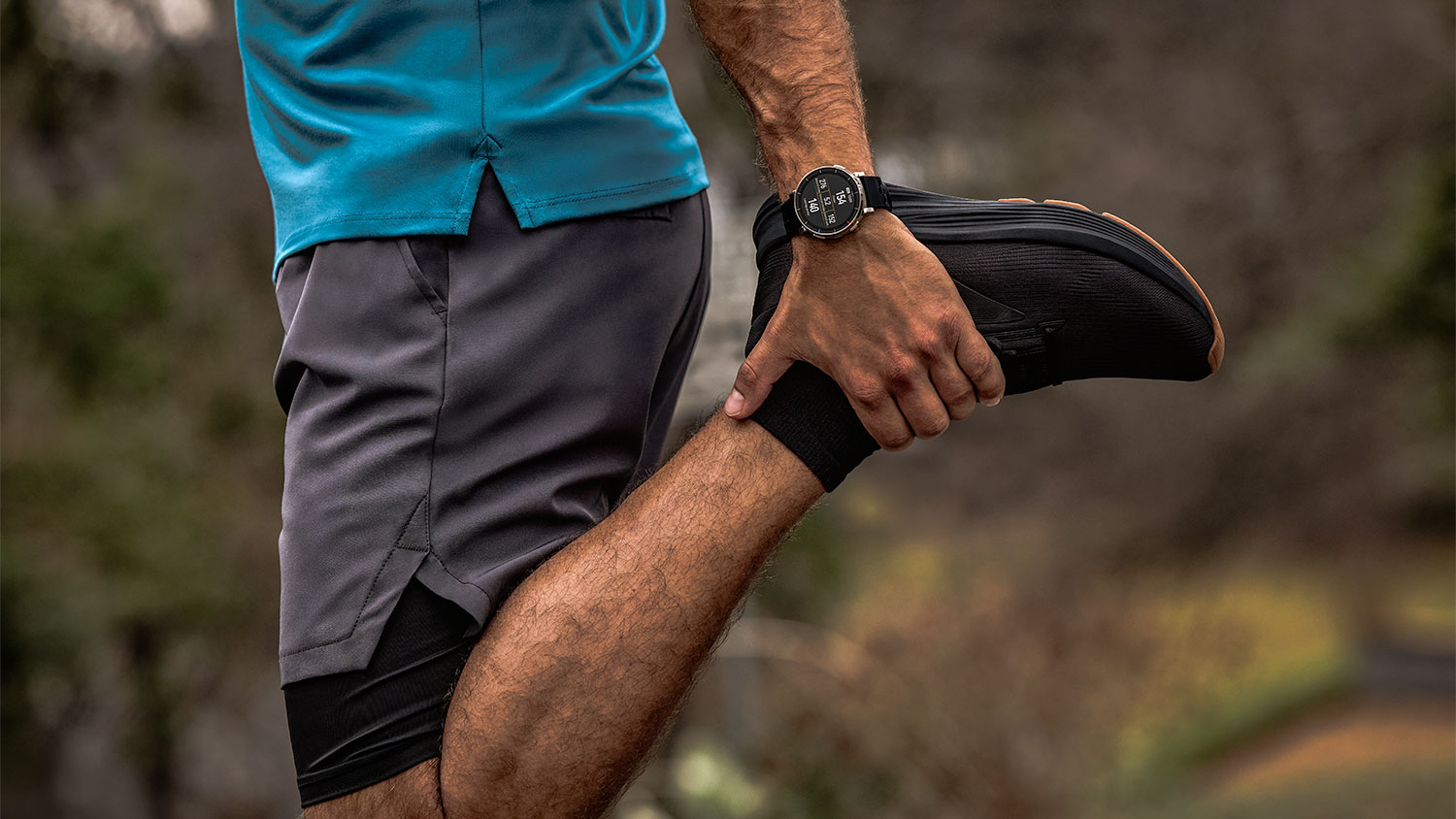
The body becomes a dashboard. Green is good. Red is rest. The romance of ‘I feel fine’ gives way to graphs. This is both enlightening and confronting. Anyone who consistently fails to recover sufficiently will see this in black and white. No excuses, just numbers.
Practical use or data addiction
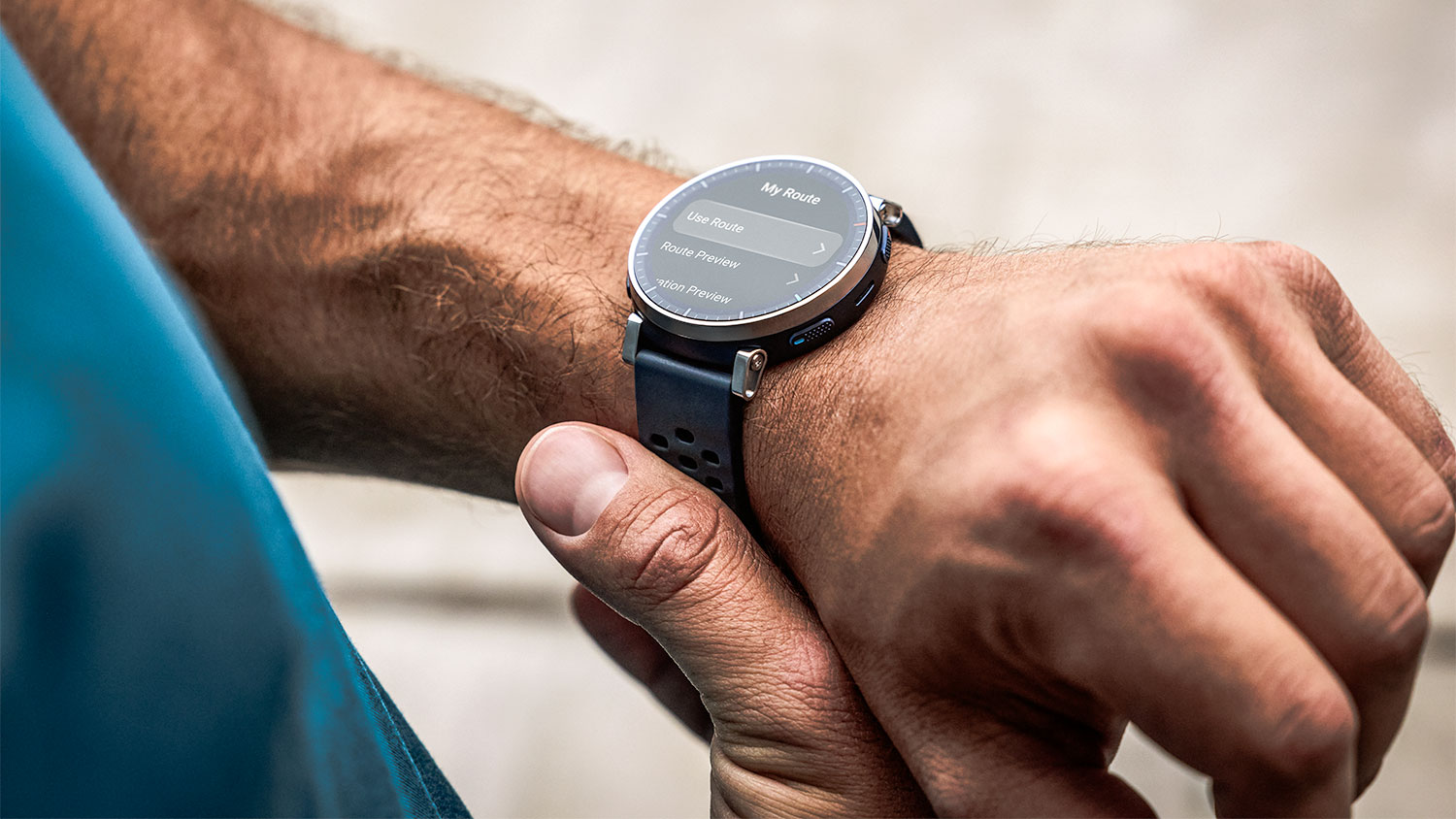
In addition to training data, the watch offers more than 170 sports modes, shoe wear tracking via the accompanying app and free offline maps with navigation. The 3000-nit AMOLED screen remains readable in bright sunlight and the whole thing weighs less than 55 grams. The battery lasts up to 12 days.
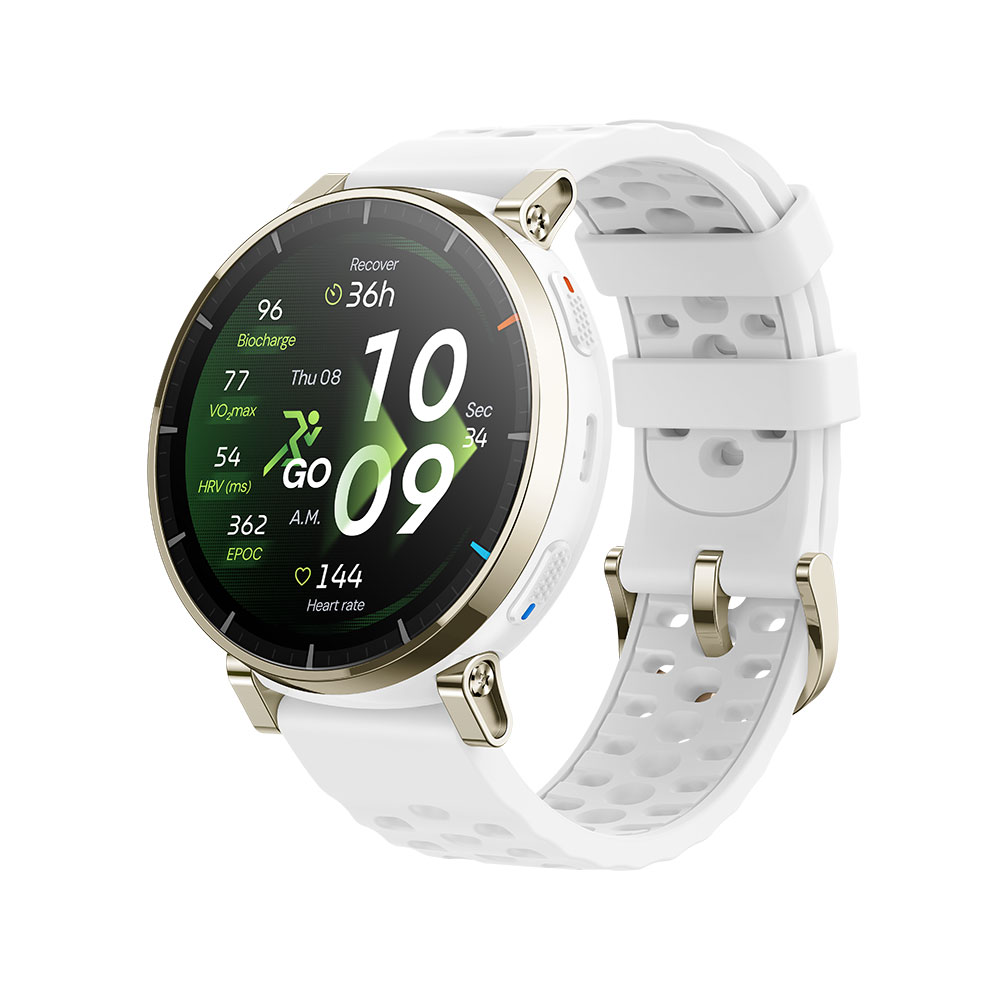
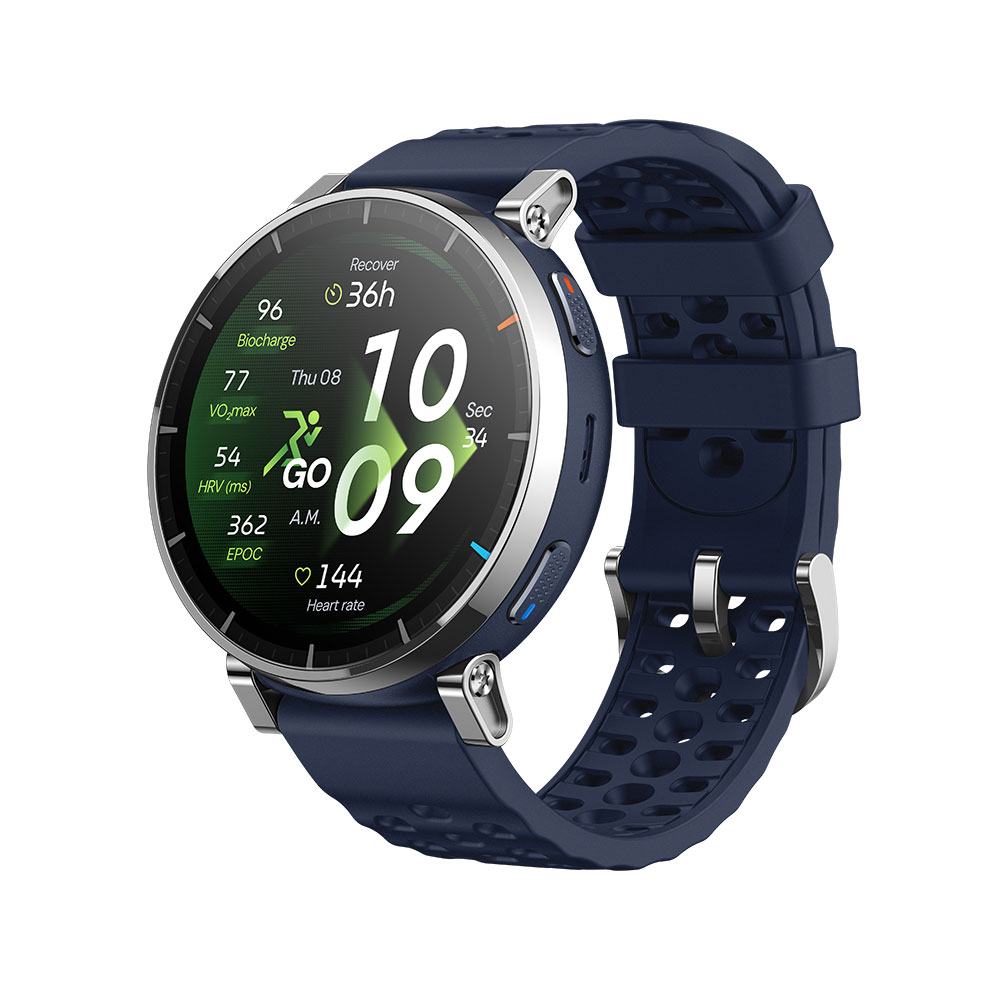
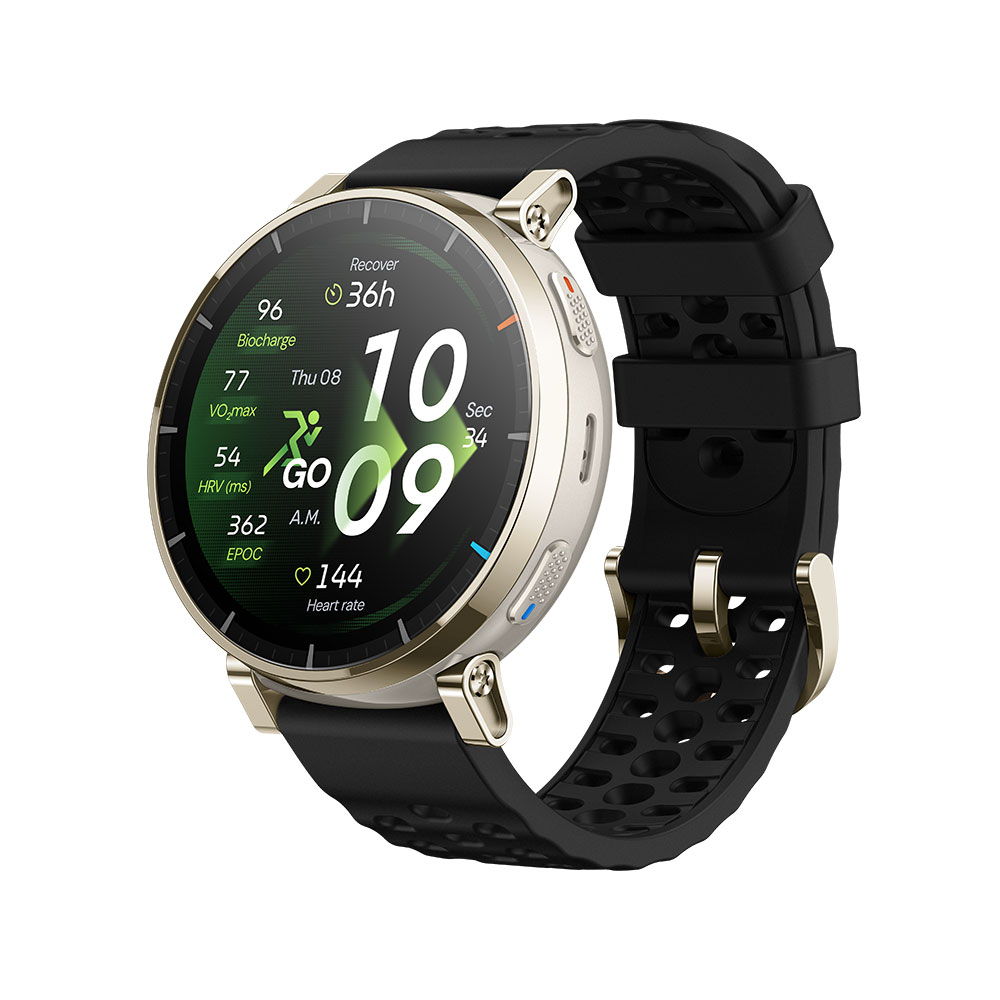
At 169.90 euro, Amazfit is positioning this technology as emphatically accessible. That may well be the key point. Advanced sports analysis is shifting from niche to mass market.
But measuring more does not automatically mean improving. Data without reflection is noise. Runners who obsessively compare each training session with the previous one run the risk of analysing the fun out of the sport.
What this development really says
The fact that an affordable smartwatch offers lactate threshold and advanced recovery measurements shows how quickly sports technology is becoming democratised. A gap between top-level sport and recreation is narrowing, at least on paper.
The real benefit lies not in the number of metrics measured, but in what the user does with them. The Amazfit Active 3 Premium makes performance analysis accessible to a wide audience. Whether that leads to smarter runners or just fuller graphs depends not on the watch, but on the person wearing it.
Because technology can set the pace, but ultimately it is the runner who decides how hard they really want to push their own limits.
Without detours
- How much does the Amazfit Active 3 Premium cost?
The recommended retail price is 169.90 euro. - Does the watch really measure the lactate threshold?
It calculates the lactate threshold and associated heart rate and pace zones based on sensor data. - How long does the battery last?
Up to 12 days with normal use.